

Border Green: Cannabis Smuggling Routes Then and Now

By Tersia Thompson
For generations, social life has revolved around drinks. Meeting for a beer after work. Wine at dinner. Cocktails at celebrations. Alcohol has long been the default social lubricant. But that default is slowly changing.
In many parts of the world, cannabis beverages are stepping into the picture as an alternative that fits modern attitudes around wellness, moderation, and choice. From cannabis-infused mocktails to low-dose THC seltzers, these drinks are reshaping how people gather, unwind, and connect.
What’s interesting isn’t just what’s in the glass. It’s what these beverages say about how social life itself is evolving.
Why drinks matter socially
Drinks have always been about more than what they contain. They create pauses, mark transitions, and give people something to do with their hands while they talk. Sharing a drink signals belonging and participation.
For people who don’t drink alcohol—or who see it differently now—this ritual has often been awkward. Saying no can feel like opting out. Cannabis beverages change that dynamic by offering a shared experience without relying on alcohol.
The ritual stays. The substance changes.
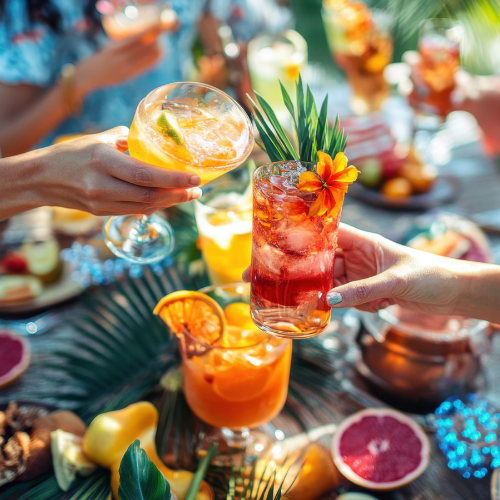
Anyone for a cannabis mocktail?
One of the clearest trends is the growth of cannabis-infused mocktails. These drinks are designed to feel special and intentional, even when they contain little or no THC.
Many are built around familiar flavours—citrus, herbs, berries, botanicals—and presented with the same care as traditional cocktails. The emphasis is on taste, presentation, and the moment itself.
For some people, the appeal isn’t about feeling altered at all. It’s about participating in the ritual without alcohol. For others, a very low dose of THC adds a gentle sense of relaxation without intoxication.
Mocktails help cannabis beverages move away from novelty and toward normality.
THC seltzers and low-dose drinking
THC seltzers have become one of the most visible cannabis beverage formats. Typically lightly flavoured and carbonated, they’re designed to be easy to drink and easy to pace.
What sets them apart from traditional edibles is dose control. Most THC seltzers are sold in low-dose formats, often containing a small, clearly labelled amount of THC per can.
This matters socially. Low doses allow people to:
- Sip slowly
- Stay present and conversational
- Avoid the delayed effects common with edibles
- Decide whether to have one drink or stop
Instead of committing to a strong effect, people can choose how involved they want to be. That flexibility makes these drinks more compatible with social settings.
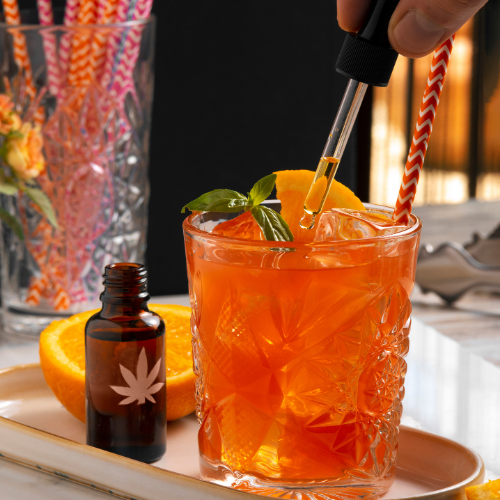
Faster onset, fewer surprises
One reason these beverages are gaining traction is how they’re processed by the body. Many modern drinks use formulations that allow THC to be absorbed more quickly than traditional edibles.
In simple terms, this means people tend to feel effects sooner and more predictably. That reduces the risk of taking too much while waiting for something to happen.
In social situations, predictability matters. People want to know how they’ll feel while they’re still at the table, not an hour later on the couch.
This reliability makes cannabis beverages easier to integrate into shared experiences.
A shift away from “getting drunk”
Cannabis beverages reflect a broader cultural shift around alcohol itself. Younger generations, in particular, are drinking less or rethinking their relationship with alcohol.
Many people are still socialising—they’re just choosing different ways to do it.
Cannabis drinks support this shift by offering:
- A sense of relaxation without loss of control
- Fewer hangover concerns
- A calmer, more contained experience
This doesn’t mean alcohol is disappearing. It means it’s no longer the only option. Social life is becoming more flexible and inclusive.
Social spaces are adapting
As cannabis beverages grow in popularity, social spaces are adapting too. In regions where laws allow, cannabis-friendly events and venues are experimenting with menus that include infused and non-infused options side by side.
At private gatherings, hosts are increasingly offering a mix of alcohol, cannabis beverages, and non-alcoholic drinks. This signals consideration rather than pressure.
The presence of cannabis drinks often changes the tone of gatherings. Conversations tend to be slower. The atmosphere is more relaxed. There’s less emphasis on excess and more on connection.
This isn’t universal, but it’s becoming common enough to notice.
The appeal across age groups
Cannabis beverages aren’t limited to one demographic. Their appeal cuts across age groups, often for different reasons.
- Younger adults appreciate the moderation and clarity
- Older adults like the familiarity of a drink format
- Non-drinkers value inclusion
- Wellness-focused people appreciate the lower impact
Because beverages feel familiar, they lower the barrier to entry. People who might never smoke or vape are often open to trying a drink.
That familiarity makes cannabis feel less intimidating and more social.
Ritual over intoxication
What stands out most about cannabis beverages is how often the focus is on ritual rather than effect.
The act of opening a can, clinking glasses, or sipping slowly creates a shared moment. The cannabis component is secondary to the experience of being together.
This mirrors trends seen in coffee culture, tea ceremonies, and alcohol-free bars. People are rediscovering the value of intentional pauses.
Cannabis beverages fit naturally into this slower rhythm.
Boundaries and responsibility
As with any social substance, boundaries matter. Responsible use remains central to how cannabis beverages are positioned and used.
Most people who enjoy them are clear about:
- Not driving after use
- Limiting intake
- Being mindful around children
- Choosing low doses in social settings
These norms are developing organically as cannabis becomes more normalised. The emphasis is less on rules and more on shared understanding.
When cannabis drinks are treated like thoughtful options rather than party fuel, they tend to be used that way.
What this trend says about social life
The rise of cannabis beverages points to something bigger than product innovation. It reflects changing values around socialising itself.
People are prioritising:
- Presence over performance
- Connection over excess
- Choice over pressure
Cannabis beverages support these values by offering a way to participate without overcommitting.
They don’t demand centre stage. They blend into the background of conversation and connection.
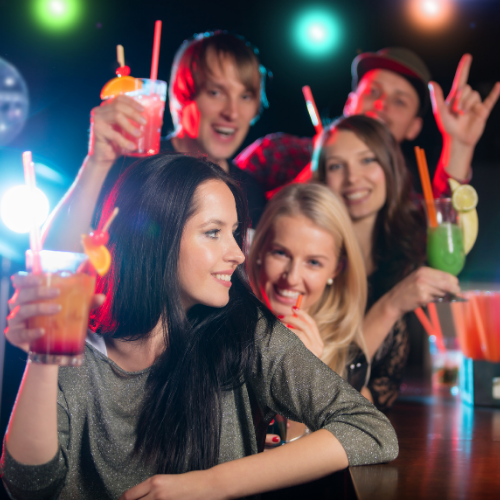
The takeaway
Cannabis beverages aren’t just about what’s in the glass but about how people want to feel when they gather—relaxed, included, and in control.
From mocktails to THC seltzers, these drinks are reshaping social rituals in subtle but meaningful ways. They offer an alternative to alcohol without removing the pleasure of shared moments.
A simple next step for readers is to notice the role drinks play in social life. Whether it’s cannabis, alcohol, or neither, the real value lies in the ritual of coming together—and choosing options that support connection rather than overwhelm it.