

Border Green: Cannabis Smuggling Routes Then and Now
By Quinton Haslett
South Africa’s green economy is growing, but not evenly. Renewable energy projects are breaking ground, sustainable agriculture is gaining momentum, and climate-focused startups are attracting attention. At the same time, many businesses trying to operate responsibly are running into old systems that weren’t designed for new ideas.
Two of the most significant friction points are banking and business licensing. Together, they shape who gets to participate in the green economy—and who struggles to get started.
This isn’t a story about bad intentions. It’s about systems catching up with reality.
What do we mean by the “green economy”?
The green economy is a broad umbrella. It includes renewable energy, recycling and waste management, water conservation, sustainable agriculture, eco-tourism, green construction, and emerging bio-based industries.
What links these sectors is the aim to reduce environmental harm while creating jobs and long-term value. In South Africa, this goal matters deeply. The country faces energy shortages, water stress, high unemployment, and climate vulnerability—all at once.
Green businesses aren’t just “nice to have.” They’re practical responses to real problems.
Banking: the first major hurdle
For many entrepreneurs, the first challenge isn’t technology or skills. It’s opening a bank account.
Banks operate under strict risk rules. They need clarity on what a business does, how it earns money, and whether it complies with current law. For newer green sectors, that clarity isn’t always easy to provide.
This is especially true for businesses that:
- Don’t fit traditional industry categories
- Rely on new or evolving regulations
- Operate across agriculture, energy, or bio-based products
Even when activities are legal, uncertainty can lead to delays, additional checks, or outright refusals.
Banks aren’t being cautious for no reason. They answer to regulators and must manage financial and legal risk. But the result is that many green businesses spend months navigating paperwork before they can trade properly.
Compliance versus innovation
South Africa’s financial system is closely regulated by bodies like the South African Reserve Bank. This helps protect the economy, but it also means innovation moves more slowly than technology.
Green businesses often innovate faster than policy updates. When laws lag behind practice, banks default to conservative decisions.
This creates a catch-22:
- Banks want regulatory certainty
- Policymakers want proven business models
- Businesses need banking access to prove their model
Breaking this loop takes coordination, and that’s still a work in progress.

Business licensing: not one-size-fits-all
Licensing is another sticking point. South Africa’s licensing framework was built around established sectors—retail, manufacturing, agriculture, and services. Green economy businesses often operate across several of these at once.
A solar installation company may deal with:
- Construction regulations
- Electrical compliance
- Municipal approvals
- Environmental standards
A sustainable farming operation may need approvals from agricultural, environmental, and water authorities—sometimes simultaneously.
Each license on its own makes sense. Together, they can become overwhelming.
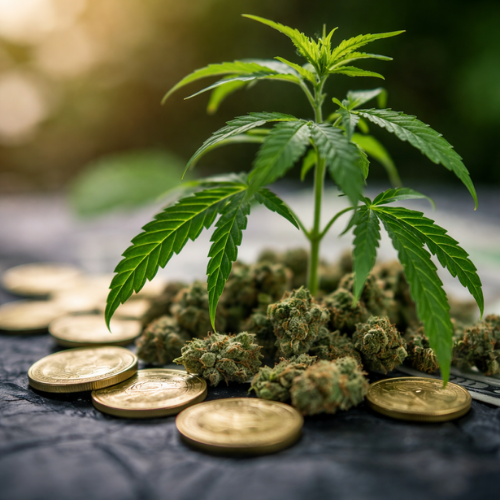
Cannabis and hemp: a clear example
The green economy conversation often circles back to cannabis and hemp because they sit at the intersection of agriculture, manufacturing, health, and sustainability.
South Africa has made legal progress with the Cannabis for Private Purposes Act, but commercial activity remains tightly regulated. This creates confusion for banks and licensing bodies alike.
Businesses operating legally within narrow frameworks still face:
- Unclear classification
- Hesitation from banks
- Long approval timelines
The issue isn’t whether these businesses should be regulated. It’s about applying regulation in a way that enables responsible participation rather than blocking it.
Green finance exists, but access is uneven
South Africa does have green finance initiatives. Development finance institutions, impact funds, and certain banks offer products aimed at sustainability projects.
However, these options are often:
- Hard to access for small businesses
- Focused on large infrastructure projects
- Tied to strict reporting requirements
Small and medium enterprises—the backbone of job creation—often fall through the gaps. They’re too big for grants, too small for major funding, and too new for traditional loans.

Informal work fills the gap
When systems are slow, informal activity grows. This is already common in South Africa, and green sectors are no exception.
Some entrepreneurs operate without full banking support. Others trade in cash or use personal accounts. While this keeps businesses alive, it creates long-term problems:
- Limited growth
- Increased risk
- Reduced tax contribution
- No financial history
Ironically, this undermines the very goals that regulation is meant to support.
Why clarity matters more than speed
Many business owners say they don’t mind regulation. What they mind is uncertainty.
Clear rules—even strict ones—allow people to plan. Unclear rules create hesitation at every step: from banks, from investors, and from partners.
For the green economy to scale, licensing pathways need to be understandable, consistent, and communicated clearly across departments.
Signs of progress
Despite the challenges, progress is happening.
There’s growing collaboration between government, banks, and industry groups to:
- Define green business categories
- Align licensing requirements
- Improve risk assessment models
Banks are slowly building internal expertise in renewable energy, sustainable agriculture, and emerging green sectors. This doesn’t change things overnight, but it does signal movement.
Why this matters beyond business
This isn’t just a business issue. It’s a social and economic one.
When green businesses can’t bank or license easily:
- Jobs are delayed
- Innovation stalls
- Environmental goals slow down
South Africa needs solutions that work at scale. That means making it possible for responsible businesses to operate legally, transparently, and sustainably.
What businesses can do now?
While systems evolve, entrepreneurs can improve their chances by:
- Keeping detailed documentation
- Seeking legal or compliance advice early
- Joining industry bodies
- Building relationships with banks rather than applying once and disappearing
Preparation doesn’t remove systemic challenges, but it helps navigate them.
The bigger picture
The green economy is a necessity. Banking and licensing systems will have to adapt, not because of ideology, but because the country’s future depends on it.
Change is happening slowly, unevenly, and sometimes frustratingly. But the direction is clear.
South Africa’s green economy is growing inside systems that weren’t built for it. Banking and licensing remain major hurdles, especially for smaller and emerging businesses.
Progress will depend on clearer rules, better coordination, and a willingness to adapt risk models to new realities. The goal isn’t to lower standards—it’s to make participation possible.
For businesses, the path forward requires patience and preparation. For policymakers and banks, it requires recognising that sustainability isn’t just an environmental goal. It’s an economic one too.