

Border Green: Cannabis Smuggling Routes Then and Now
By Pagan Pretorius
Fashion has its priorities, and this move is set to continue throughout 2026. Looking good still matters, of course—but not at the expense of comfort, movement, or longevity. The industry is responding to a consumer who is more thoughtful, more selective, and far less interested in clothes that only work in theory.
Today’s fashion conversation centres on three things: function, fit, and feel, not as trends, but as standards. Clothing is expected to support real life, reflect personal values, and feel good on the body—not just photograph well.
This isn’t a rejection of style. It’s a refinement of it.
Function as the new baseline
Functionality is no longer a bonus feature—it’s the starting point. Garments are now being designed with the rhythms of daily life in mind: commuting, sitting, walking, travelling, working across different environments, and doing it all comfortably.
Performance and technical fabrics have moved out of sportswear and into everyday wardrobes. Moisture-wicking blends, temperature-regulating textiles, and crease-resistant materials are now standard in shirts, dresses, trousers, and even tailoring. The idea is simple: clothes should adapt to the wearer, not the other way around.
Designers are also integrating utility in subtle ways. Modular elements like detachable scarves, layered or hidden pockets, adjustable hems, and convertible silhouettes allow one garment to serve multiple purposes. The result is versatility without sacrificing aesthetics.
Hybrid work has accelerated this shift. Pieces like knit blazers, drawstring tailoring, and soft-structured coats move seamlessly between professional and casual settings. Fashion is no longer split between “work” and “life”—it’s designed to span both.
Seasonless design also plays a role. Trans-seasonal palettes, layering-friendly fabrics, and multifunctional pieces reduce the need for constant wardrobe updates. Buying less but better has become part of fashion’s value system.
Fit becomes personal, not prescriptive
If function is the foundation, fit is where fashion gets personal.
After years of oversized, shapeless silhouettes, 2026 marks a return to refined structure—not tight or restrictive, but thoughtfully shaped. Relaxed tailoring leads the way, offering clean lines, defined shoulders, and gently tapered waists that create form while allowing movement.
This is tailoring that understands the body, rather than controlling it.
Inclusivity is no longer optional. Expanded size ranges, adjustable designs, and gender-fluid silhouettes are becoming standard practice. Fit is less about conforming to a narrow ideal and more about supporting individuality and comfort.
Technology is also influencing fit behind the scenes. Many brands are using AI tools to analyse customer feedback, simulate how garments move in 3D, and improve sizing accuracy. The goal isn’t novelty—it’s reducing frustration and returns by making clothes fit better the first time.
Materials play a role, too. Raw denim, for example, is making a comeback because of its ability to mould uniquely to the wearer’s body over time. Instead of instant perfection, there’s renewed appreciation for garments that evolve with use.
Fit in 2026 is about freedom, not control.

Function as the new baseline
Functionality is no longer a bonus feature—it’s the starting point. Garments are now being designed with the rhythms of daily life in mind: commuting, sitting, walking, travelling, working across different environments, and doing it all comfortably.
Performance and technical fabrics have moved out of sportswear and into everyday wardrobes. Moisture-wicking blends, temperature-regulating textiles, and crease-resistant materials are now standard in shirts, dresses, trousers, and even tailoring. The idea is simple: clothes should adapt to the wearer, not the other way around.
Designers are also integrating utility in subtle ways. Modular elements like detachable scarves, layered or hidden pockets, adjustable hems, and convertible silhouettes allow one garment to serve multiple purposes. The result is versatility without sacrificing aesthetics.
Hybrid work has accelerated this shift. Pieces like knit blazers, drawstring tailoring, and soft-structured coats move seamlessly between professional and casual settings. Fashion is no longer split between “work” and “life”—it’s designed to span both.
Seasonless design also plays a role. Trans-seasonal palettes, layering-friendly fabrics, and multifunctional pieces reduce the need for constant wardrobe updates. Buying less but better has become part of fashion’s value system.
Fit becomes personal, not prescriptive
If function is the foundation, fit is where fashion gets personal.
After years of oversized, shapeless silhouettes, 2026 marks a return to refined structure—not tight or restrictive, but thoughtfully shaped. Relaxed tailoring leads the way, offering clean lines, defined shoulders, and gently tapered waists that create form while allowing movement.
This is tailoring that understands the body, rather than controlling it.
Inclusivity is no longer optional. Expanded size ranges, adjustable designs, and gender-fluid silhouettes are becoming standard practice. Fit is less about conforming to a narrow ideal and more about supporting individuality and comfort.
Technology is also influencing fit behind the scenes. Many brands are using AI tools to analyse customer feedback, simulate how garments move in 3D, and improve sizing accuracy. The goal isn’t novelty—it’s reducing frustration and returns by making clothes fit better the first time.
Materials play a role, too. Raw denim, for example, is making a comeback because of its ability to mould uniquely to the wearer’s body over time. Instead of instant perfection, there’s renewed appreciation for garments that evolve with use.
Fit in 2026 is about freedom, not control.
Feel takes centre stage
If there’s one area where fashion has become almost emotional, it’s in feel.
The tactile experience of clothing matters more than ever. Consumers are paying attention to how fabrics feel against the skin, how they move, and how they hold up over time. Scratchy linings, stiff seams, and synthetic discomfort are falling out of favour fast.
Natural fibres are leading the way. Wool, silk, cashmere, linen, and organic cotton are prized for their breathability, softness, and durability. These materials don’t just feel better—they age better, too.
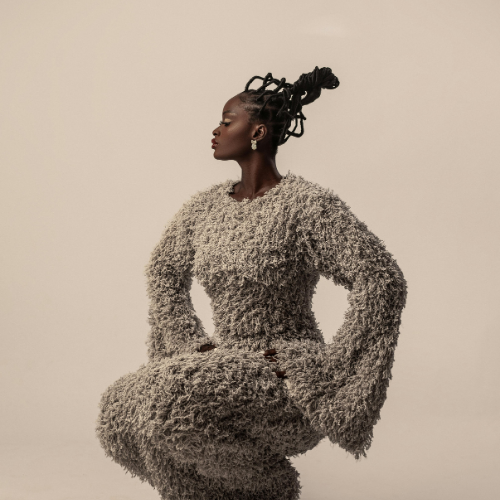
Texture is also doing more of the visual work. Chunky knits, bouclé, brushed suede, soft leathers, mohair, and tactile weaves add depth without relying on logos or loud branding. The luxury is in the hand-feel, not the label.
This focus on texture reflects a broader shift away from overt hype. Instead of flashy logos, fashion is signalling quality through subtle details: the weight of a lining, the drape of a sleeve, and the softness of a collar.
Colour, emotion, and “dopamine dressing”
While neutrals and timeless tones remain important, 2026 also embraces colour as an emotional tool.
Dopamine dressing—using colour to boost mood—continues to influence collections. Vibrant primary shades, rich greens, deep blues, and joyful accents appear alongside calmer palettes. Colour isn’t about trend-chasing; it’s about self-expression and emotional response.
The key difference is intention. Colour is chosen to support how people want to feel, not just what’s fashionable that season.
Why this shift is happening now
Several forces are driving fashion’s comfort-first evolution.
Consumers are more informed and more selective. They want value, transparency, and longevity. Fast, disposable fashion has lost much of its appeal, replaced by a desire for fewer, better-made pieces.
Sustainability plays a major role. Durable garments, quality materials, and seasonless design support more responsible consumption. When clothes feel good and fit well, people keep them longer.
There’s also a cultural shift toward authenticity. Fashion in 2026 is less about keeping up with micro-trends and more about building a wardrobe that reflects personal identity, lifestyle, and values.
Comfort has become part of self-respect.
Comfort doesn’t mean boring
Perhaps the biggest misconception is that comfort-focused fashion lacks style. In reality, it demands better design.
When designers can’t rely on discomfort to create drama, they turn to proportion, craftsmanship, and detail. The result is clothing that feels confident rather than performative.
Comfort in 2026 isn’t casual by default. It’s polished, intentional, and considered.
Clothes are expected to support movement, adapt to real bodies, and offer a sensory experience that goes beyond appearance.
This shift is a recalibration. Comfort is no longer the opposite of style. It is style.
The simplest way to see this change in action is to look at which pieces get worn most often. The clothes that feel good, work across situations, and still feel like “you” are exactly where fashion is headed next.