Rolling Stoner Sessions with Twakkie
Twakkie: The Local Brand Built on Mengels, Upcycling and South African Manufacturing
Interviewer and writer: Andrew Macfarlane
Some brands are born from strategy meetings, competitor research, and secret plans.
Twakkie began when a few students were drinking beers and, as the founder puts it, talking “klomp kak”.
Looking back, that might have been the perfect way to start.
There was no big brand manifesto behind the name. It just came up naturally among friends and soon started doing something important: getting a reaction from others.
“When we would take it out in a bar or around a fire or wherever, we just received a lot of good feedback from the name,” Twakkie’s founder explains.
That reaction helped turn their experiment into something that could really take off.
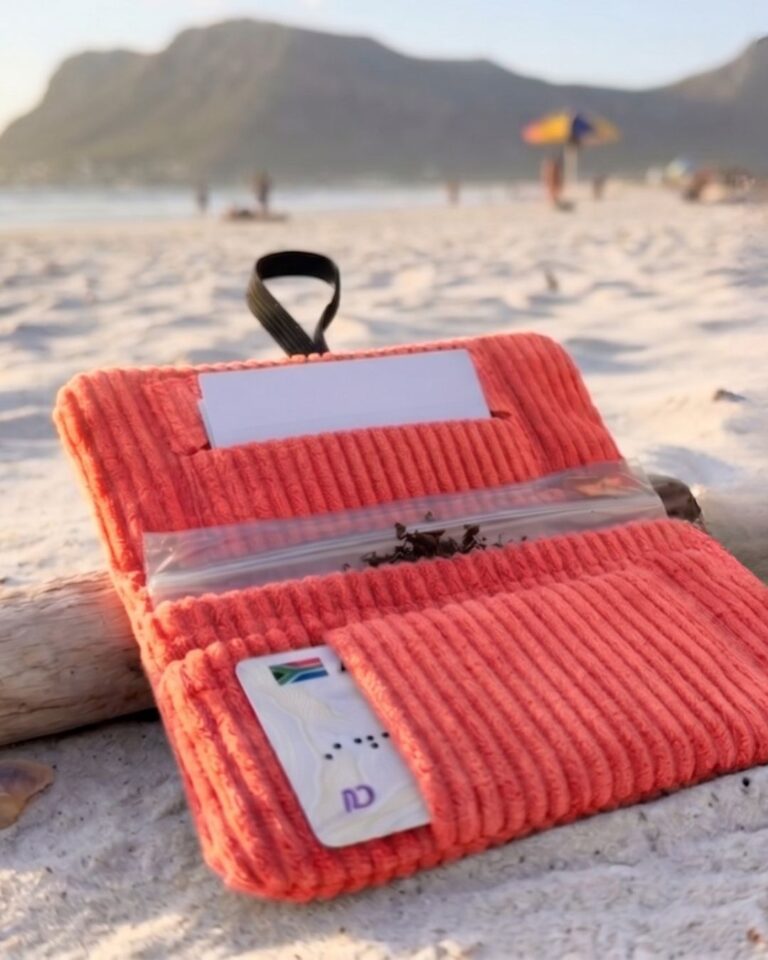
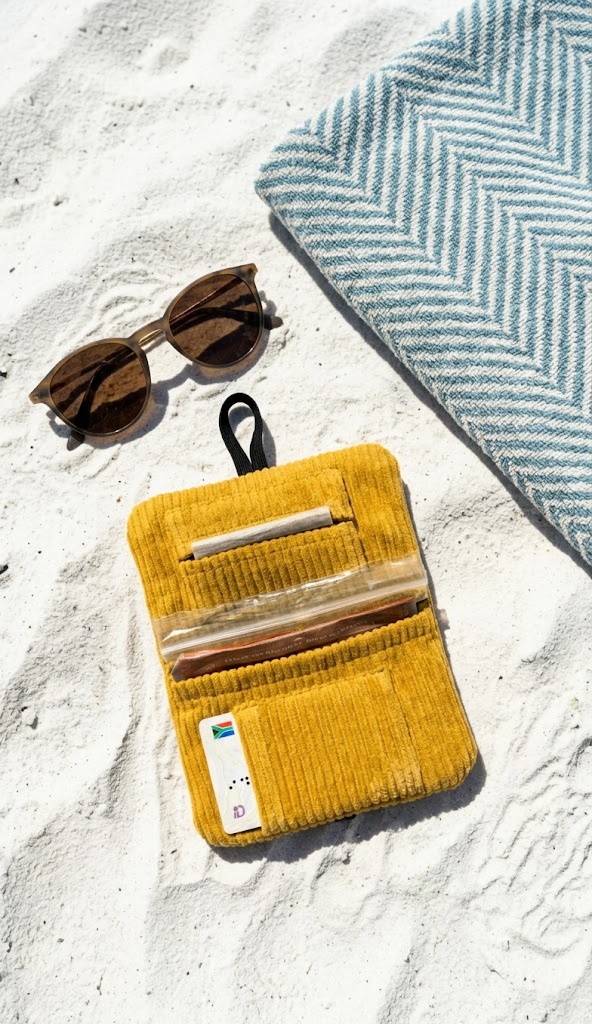
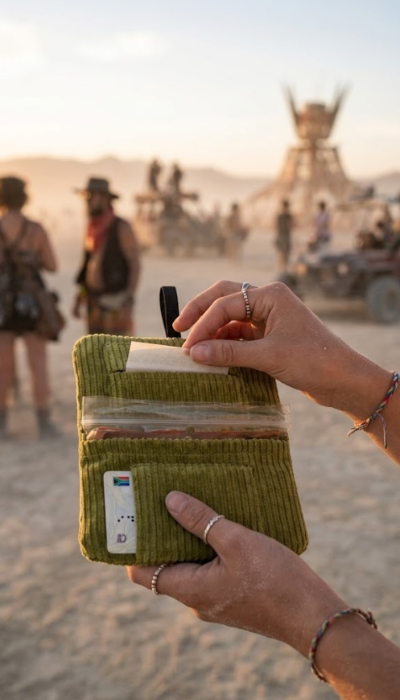
Twakkie has also been quietly showing up in the local cannabis lifestyle scene for a while. I first came across it at Woodstock’s Blunt Social Lounge, where I bought my first Twakkie pouch.
That small purchase made me curious about the brand’s story, which turned out to be pretty interesting.
A Brand That Sounds Like South Africa
Twakkie was made to have a distinctly local personality.
Instead of removing the slang, cultural references, and quirks that make South African conversations unique, the founders embraced them.
Central to that is what they describe as “Mengels“: the everyday collision of Afrikaans and English that happens naturally around braais, bars, campuses, offices and WhatsApp groups across the country.
It’s English and Afrikaans meeting in the middle, with neither language worrying much about grammar.
For Twakkie, that mix became part of what the brand is all about.
“We wanted to do something that the local community gets,” the founder says.
There are no plans to change Twakkie’s personality just to make it easier to sell overseas. For now, the focus is on South Africa.
That decision allows the brand to stay true to itself. It doesn’t have to explain every joke to everyone. Some people get it right away, while others might need a bit of help.
That is part of the point.
While many brands try to fit in everywhere, Twakkie is happy to sound proudly local.
Lockdown, Leftover Material and the Upcycling Question
Twakkie’s focus on the environment started partly by chance.
The company’s early research and development took place during lockdown, when getting materials and using normal manufacturing channels was much harder.
Upcycling became an interesting option.
Old clothes and fabrics could be used as raw materials instead of being thrown away.
This gave the founders something to experiment with and fit their goal of making products more responsibly.
But Twakkie’s founder doesn’t want to pretend that upcycling is an easy fix for sustainability.
Turning unwanted clothes into products people want to buy brings its own challenges.
Clothes have to be collected, sorted, and taken apart. The usable parts need to be separated from what can’t be reused. Different fabrics behave differently, and someone still has to turn this unpredictable mix into a product that can be made consistently every time.
“We want to minimise waste, which is sort of the whole point,” he explains.
The challenge is finding a way to do all this and still make it work financially.
That’s an important difference.
Sustainability sounds easy in marketing, but making it work in real products that customers can afford, manufacturers can produce, and a young company can profit from is much harder.
Twakkie is still figuring that out.
Instead of pretending the problem is solved, the company admits that making upcycling work well is still a work in progress.
Why Local Manufacturing Matters to Twakkie
One thing has been much easier to decide: Twakkie wants to make its products locally.
“We are very much into just the concept of job creation and local manufacturing in general,” the founder says.
That decision led the company to The Sewing Café in Cape Town.
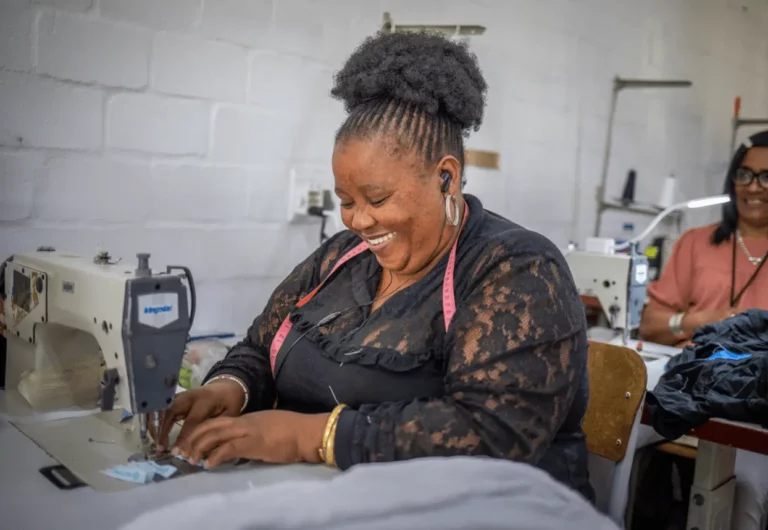
Just calling The Sewing Café a manufacturer doesn’t capture everything the organisation does.
Its professional cut, make, and trim facility produces clothing and accessories for clients, but its manufacturing work is just one part of a broader mission to help the community.
The Sewing Café operates a SETA-accredited training centre offering free training to unemployed and unskilled adults from the Masiphumelele and Ocean View communities.
Its programs teach more than just how to use a sewing machine. Training covers garment making, entrepreneurship, math, and business skills.
The organisation says it has trained and upskilled hundreds of people over the past decade, with graduates going on to start their own businesses, join The Sewing Café or pursue other employment opportunities.
Commercial manufacturing helps support all of this.
The Sewing Café describes its CMT production operation as an important part of sustaining its training programmes and support for emerging textile businesses.
For Twakkie, picking a partner like this was about more than just finding someone to make their products.
“It was really a no-brainer for us,” the founder says.
.
Sustainability Without the Halo
Perhaps the most interesting part of the Twakkie story is that the company does not pretend to have everything figured out.
Its beginnings were improvised, and its personality grew out of the strange linguistic soup South Africans speak every day.
However, Twakkie’s founders saw the potential in upcycling but openly acknowledge that reducing waste while keeping production commercially viable is difficult.
And when it came time to manufacture, they looked towards a local organisation where producing something could contribute to something beyond the product itself.
There is no need to polish the word “sustainable” until it becomes meaningless.
Twakkie is still figuring out what responsible production should look like for a growing South African brand.
For now, the philosophy appears relatively straightforward: make things here, support local skills, create opportunities where possible, waste less where you can and don’t lose the personality that made people notice you around the fire in the first place.
For me, it makes that first Twakkie potch picked up at Blunt Social Lounge feel a little different in hindsight.
What looked like a simple locally made product came with a considerably bigger South African story stitched into it.
Not bad for something that started over a few beers and a conversation about klomp kak.
If you have a local product that would make an outstanding Rolling Stoner Sessions memento, let us know.