

Amsterdam Didn’t Ban Cannabis Tourism. South Africa Should Be Paying Attention
For years, Amsterdam has wrestled with the weight of its own reputation as Europe’s best-known cannabis tourism capital.
Recently, a question has returned to the centre of the cannabis world, which is whether or not Amsterdammers will ban cannabis tourism?
For those who are unaware, Amsterdam has flirted with the idea of banning cannabis tourism several times in the last ten years, namely:
- 2012: The national “weed pass” or resident-only policy
- 2021: Mayor Femke Halsema pushes for a tourist coffeeshop ban
- 2022 to 2023: The debate stays alive
As reported by High Times, Amsterdam’s long-discussed plan to block tourists from entering its coffeeshops did not make it into the city’s new coalition agreement. Which means that international visitors can still buy cannabis from Amsterdam’s coffeeshops.
However, the city is not simply rolling out a green carpet. Instead of closing the coffeeshop doors, Amsterdam appears to be targeting visitor revenue more directly. The new agreement would increase the tourist tax from 12.5% of the room rate to 16%, with a longer-term move toward 20%.
That detail matters.
While it might seem like Amsterdam has not rejected cannabis tourism, we can now assume that many locals recognise that cannabis tourism is part of the city’s visitor economy.
There does not appear to be a clean official figure for Amsterdam’s total cannabis tourism income.
That is part of the problem. Cannabis is clearly a major draw for visitors, but its value lies in the wider tourism economy: hotels, restaurants, nightlife, transport, museums, tours, and local taxes.
The Money Amsterdam Could Have Lost
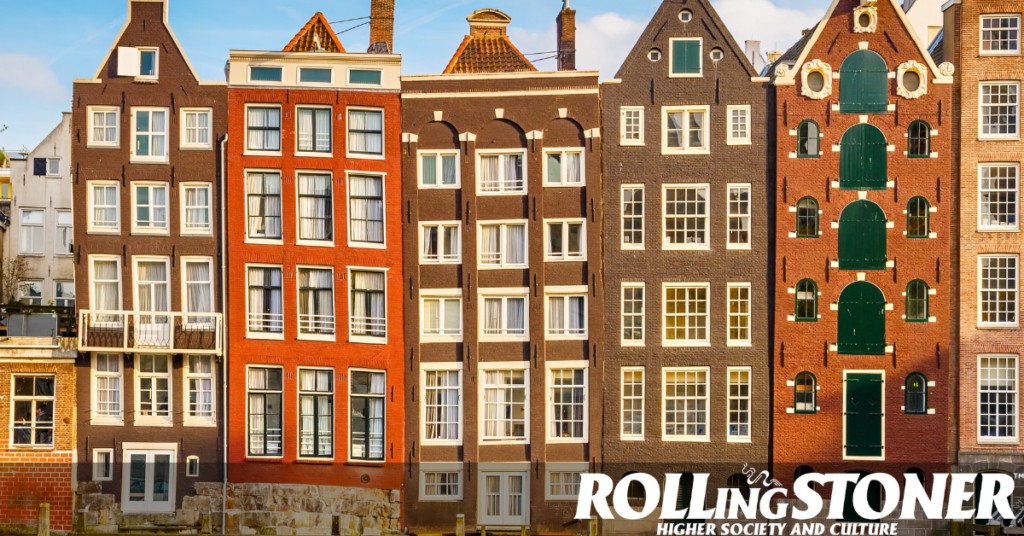
A tourist cannabis ban may sound simple on paper, but in practice, it would have created a hole in more than one pocket.
Amsterdam’s own research shows that in 2024, the city had an estimated 14 million unique day visitors and almost 10 million overnight visitors. Those overnight visitors generated nearly 23 million overnight stays.
More than 80% of overnight stays by tourists in Amsterdam are by foreign visitors. That means a tourist coffeeshop ban would not only affect cannabis retailers. It could also affect hotels, restaurants, taxis, nightlife, museums, retail, guided tours and the city’s tax base.
With a booming tourism sector pumping capital into the city, it decided it couldn’t choose between cannabis tourism and public order.
It seems to have chosen a more practical route: keep the regulated market open, keep visitors within visible systems, and collect more from the surrounding tourism economy.
There is also a safety argument. The High Times piece cites criminologist Dirk Korf‘s finding that roughly a quarter of foreign tourists would turn to illegal dealers if coffeeshops were closed to them.
That is the quiet lesson for every cannabis destination in the world.
When visitors already want something, shutting the front door does not make the demand vanish. It often just moves it into the alley.
What This Means For South Africa’s Budding Cannabis Tourism Sector
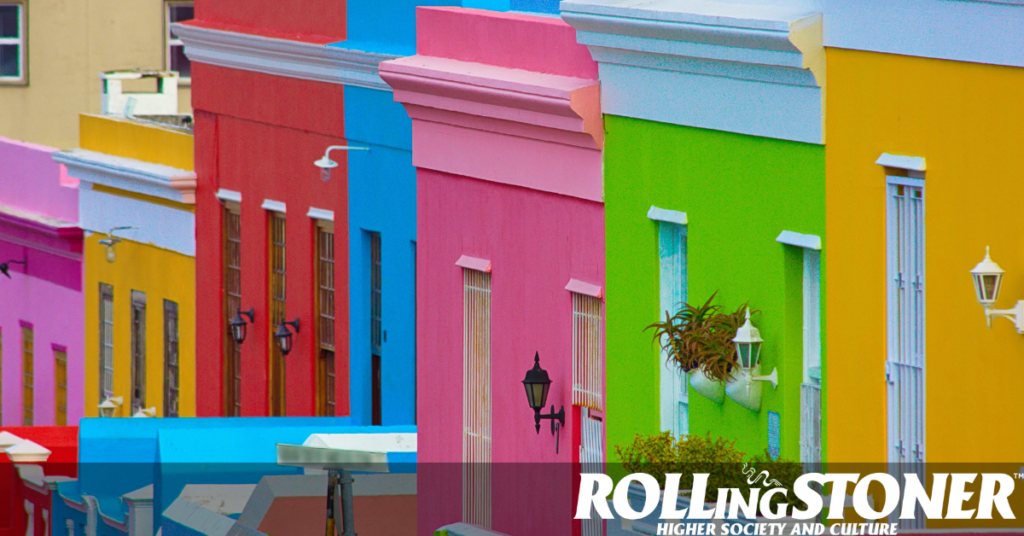
South Africa is sitting with a cannabis tourism opportunity that is still largely under-measured and unregulated.
That should make us nervous and be a major wake-up call, after all, Cannabis Tourism is already here.
Tourism plays a major role in the South African economy.
According to Statistics South Africa, tourism directly employed an estimated 953,981 people in 2024, accounting for 5.7% of all jobs. That means roughly 1 in 18 workers was directly employed in tourism.
The same report found that tourism contributed R361.7 billion to South Africa’s GDP in 2024, equal to 4.9% of the economy.
That is before cannabis tourism has been properly counted, organised or promoted.
At the moment, South Africa’s cannabis scene is scattered across private clubs, social lounges, wellness spaces, growers, edible makers, tourism operators, guest houses, farms and regional experiences.
Amsterdam’s lesson is that cannabis tourism does not need to be treated as a side alley of tourism. It can be part of a wider visitor economy.
But only if it is mapped, authenticated and connected.
Route 420 And The Missing Cannabis Tourism Map
Over the last few years, Rolling Stoner magazine has been hand-delivered to every type of cannabis establishment, creating Route 420.
We’re here to say that South Africa doesn’t need to copy the Amsterdam tourism model, because our cannabis tourism story is different.
South Africa does not need to become Amsterdam. Our cannabis tourism story is wider than that. It stretches from city lounges to coastal escapes, from private clubs to wellness retreats, from local food and music to the farms and small towns that give the industry its roots.
A visitor to South Africa might not be looking for a famous coffee shop street.
They might be looking for a cannabis-friendly route through the West Coast, the Garden Route, Gauteng or KwaZulu-Natal. And with such an expansive reach, it’s important that tourists know which spaces are welcoming:
- private,
- social,
- medicinal,
- and worth building a weekend around.
South Africa Should Not Wait Until The Industry Is Perfect
Amsterdam had decades to build its cannabis identity. South Africa is not waiting, as we’re a country in need of tourism investment that stretches into every corner of our country.
We need to be encouraging tourists to buy flower from home growers who will use the investment for food.
If the industry remains invisible, it becomes easy to dismiss. But if the industry is organised, it becomes easier to understand its value.
That value is not only in cannabis sales. It is in the surrounding economy:
- Accommodation.
- Transport.
- Local restaurants.
- Tour guides.
- Events.
- Farm stays.
- Wellness retreats.
- Regional routes.
- Small towns.
- Independent clubs.
- Local makers.
This is where cannabis tourism becomes more than a novelty. It becomes a reason to travel, stay longer and spend across multiple businesses.
The Bigger Lesson From Amsterdam
Amsterdam’s decision sends a clear message.
The city may want fewer problem tourists, but it has not turned its back on the cannabis visitor economy. Instead, it appears to be asking a more useful question:
If tourists are coming anyway, how does the city manage them, regulate the experience, and capture the value?
South Africa should be asking the same question.
Not because we want to become Amsterdam. Because we have the chance to build something more spread out, regional, rooted, and influential for the entire country.
Learn more about Route 420 today.