

Rolling Stoner
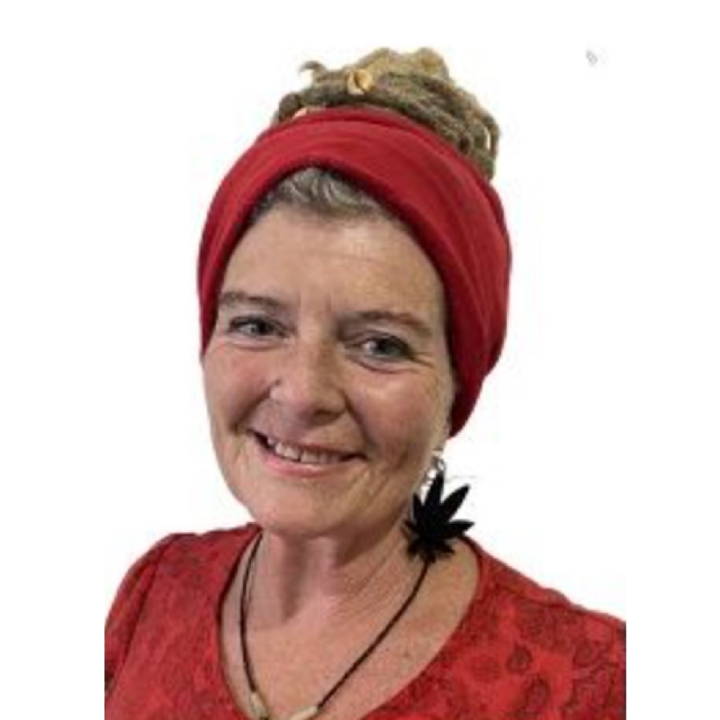
Sista Vee Nohombile Bush
Traditional healer, author, and trusted voice in South Africa’s cannabis community.
Her legacy lives on in those she taught and inspired.
Today, the South African cannabis community is reflecting on the life and work of Sister Vee—known publicly as Sista Vee Nohombile Bush—a traditional healer, author, educator, and long-standing advocate for cannabis as a plant of healing and companionship. Publicly available profiles and event pages describe her as a registered traditional healer with a deep focus on cannabis medicine, ancestral knowledge, and education around the endocannabinoid system.
For many people, Sister Vee was more than a name in the cannabis space. She was one of those rare voices who carried both conviction and calm authority. Her work was rooted in lived experience, traditional wisdom, and a belief that cannabis should be understood not through stigma or fear, but through its relationship to the human body, spirit, and history. That perspective also shaped her book, Cannabis is the Human Companion Plant, which remains closely associated with her public legacy.
What stands out most about Sister Vee is that she did not seem interested in following trends or saying what was fashionable. She stood firmly in what she believed. Public descriptions of her work show someone who spent years educating people about cannabis as medicine, speaking openly about healing, and helping others rethink the role of this plant in everyday life. Her public talks and consultations through The Canna Club, along with her association with DankiPa Eco Estate, made her a visible and trusted figure in South Africa’s broader cannabis culture.
She also appears to have carried that advocacy through difficult years. A public Cheeba Africa listing for her book notes that she endured repeated arrests and raids dating back to 1981 because of her work with cannabis. Whether people agreed with every part of her message or not, that kind of persistence speaks volumes. It takes courage to keep standing for something over decades, especially in a country where cannabis history has been shaped by criminalisation, misunderstanding, and uneven policy change.
Sister Vee’s contribution was not limited to healing or education alone. She also appears in public records as someone who engaged in the national cannabis conversation at the policy level, including by submitting to the Cannabis for Private Purposes Bill. That matters. It suggests a woman who was not content to work quietly in the background but wanted to help shape the future of cannabis in South Africa in practical, lasting ways.
Others in the cannabis community clearly saw her that way, too. Rolling Stoner’s feature on “10 Mothers of the Underground” described her as “a nurse, a teacher, an educator of the highest order,” while Cannacopia’s Women’s Day feature recognised her as an honourable woman in the cannabis industry. Those public tributes reflect what many people likely already knew: Sister Vee occupied a respected place in a movement built not only on activism but also on care, guidance, and resilience.
If the reports of her passing are confirmed, then her loss will be felt in many corners of this community, not only among those who knew her personally but among those who encountered her through her teachings, her book, her consultations, her interviews, and the many stories that now gather around her name. Some people leave behind noise. Others leave behind a steadier kind of legacy—one built through years of showing up, speaking up, and helping others see differently. Sister Vee seems to belong to the latter.
In a space that can sometimes feel crowded by branding, politics, and performance, she appeared to remain close to something older and more grounded: the plant, the people, and the healing relationship between them. That is no small thing. It is the kind of work that outlives a single moment. It continues in the minds she changed, the people she guided, and the language she helped shape around cannabis in South Africa.
Sister Vee will be remembered as a woman who taught, questioned, advocated, and endured. A woman who treated cannabis not as a trend but as a companion plant, a medicine, and a teacher.
A woman whose voice helped many others find their own.
Rest gently, Sister Vee.