
Are you old enough to be here?
Are you 18 years or older?

Medical cannabis on flights has long sat between patient access, airport security, and conflicting cannabis laws. Luckily for South Africans, we’ve been blessed with the freedom of travelling with our own private stash on domestic flights for several years now.
However, this isn’t the case for our cannabis friends in the USA.
Cannabis is still legally messy.
At the federal level, cannabis is not fully legal nationwide. However, the position has shifted.
Recent Department of Justice and Drug Enforcement Administration action has moved certain cannabis-related substances, including FDA-approved cannabis products and state-licensed medical cannabis, from Schedule I to Schedule III.
That is a big medical-cannabis shift, but it does not federally legalise recreational cannabis or remove all conflict between federal and state laws.
Basically, it means cannabis in the USA is legal in some states, restricted in others, and still complicated at the federal level.
Medical cannabis now has more recognition, but recreational cannabis remains far from universally accepted.
According to the Los Angeles Times, the United States Transportation Security Administration recently updated its “What Can I Bring?” guidance to reflect that medical marijuana may be packed in both carry-on and checked baggage, subject to special instructions. However, the TSA has not clearly explained what those special instructions are.
That is important.
It does not mean every traveller can now fly freely with cannabis. However, it does not mean recreational weed is suddenly welcome at every airport. Additionally, it also does not mean cannabis laws have magically stopped arguing with each other in the terminal.
At the end of the day, it does mean something has changed.
For cannabis travel culture, this is a major signal.
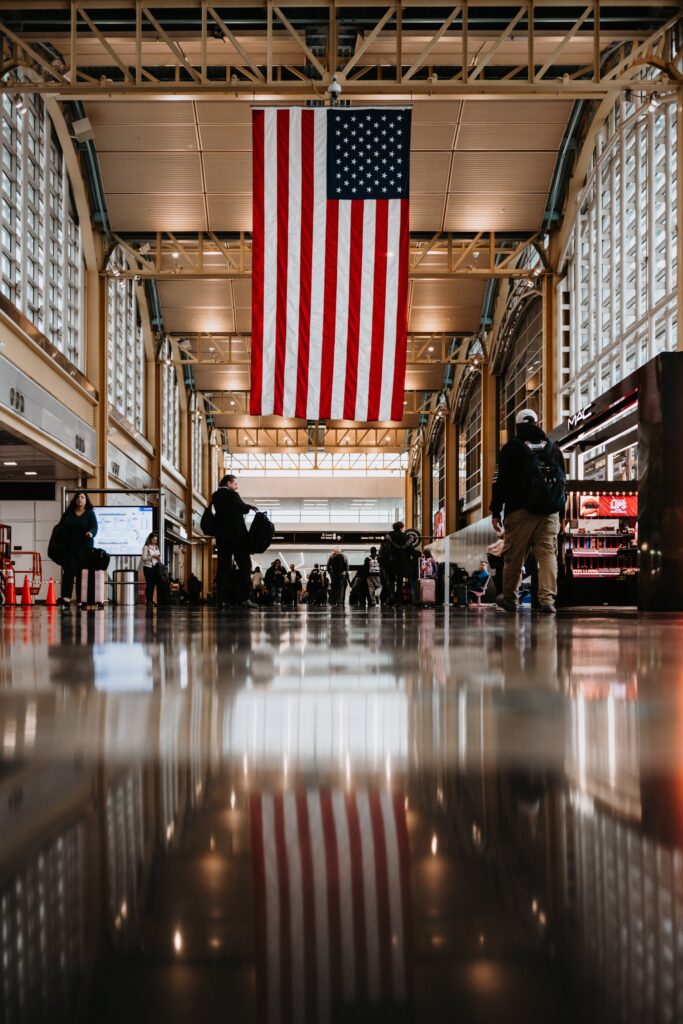
The TSA has made it clear that its main job is aviation security, not actively searching for cannabis. Its own guidance says security officers do not search for illegal drugs, but if illegal substances or evidence of criminal activity are discovered during screening, the matter may still be referred to law enforcement.
So, while medical cannabis may now appear in the TSA’s permitted items list, travellers still need to understand the asterisk. And it is not a small asterisk.
It is one of those airport-sized asterisks with wheels, a barcode, and a security tag. The TSA also states that the final decision rests with the officer at the checkpoint. In addition, state laws still matter. A traveller flying from one medical cannabis state to another may have a very different experience from someone landing in a state that does not recognise their medical card.
This is where the story becomes bigger than America.
Because airports are not just transport hubs. They are symbols of legitimacy.
When cannabis enters that environment, even cautiously, the public perception begins to change.
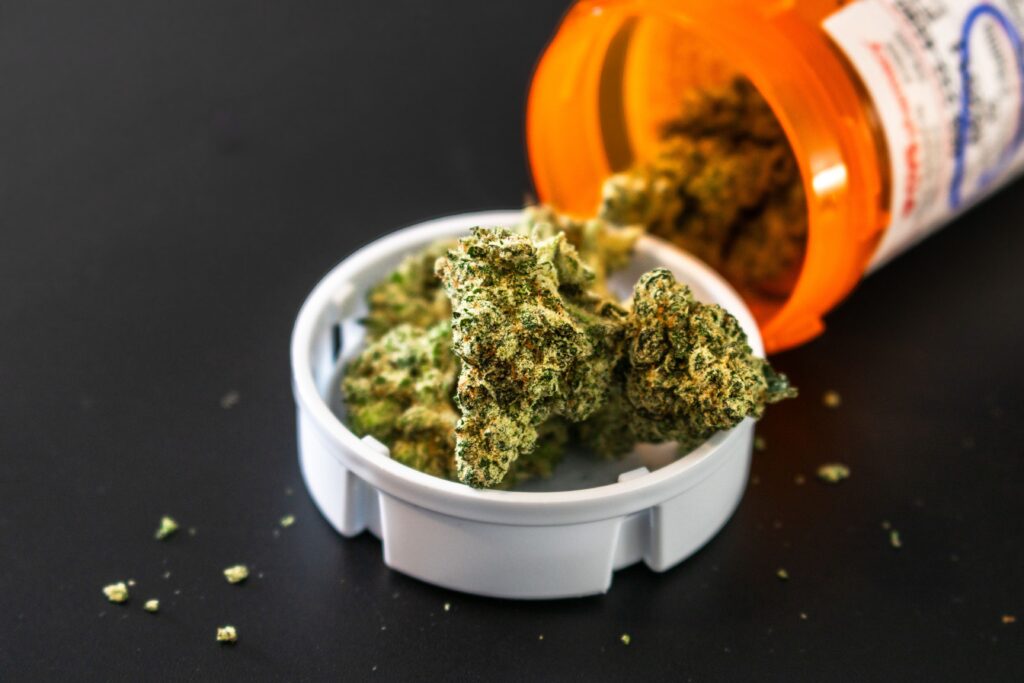
For many South Africans, we need to clarify that medical cannabis is not the same as recreational dagga. It’s this difference that needs to be handled carefully.
The TSA update applies to medical marijuana under specific conditions. It is not a free pass for recreational cannabis.
Arguably, these newer federal scheduling positions do not broadly legalise cannabis for recreational use. Instead, the allowance is linked to FDA-approved cannabis-derived products and marijuana products regulated through state-issued medical cannabis systems.
That means travellers should not treat this as permission to pack a holiday stash; in fact, we’d strongly suggest not exercising this freedom, because the way the law can be applied by law enforcement officers is still unregulated.
Medical cannabis patients should also travel with proper documentation, where possible. Experts recommend keeping products in original packaging, with a prescription label and a valid state medical marijuana identification card.
Even then, caution remains the boarding pass.
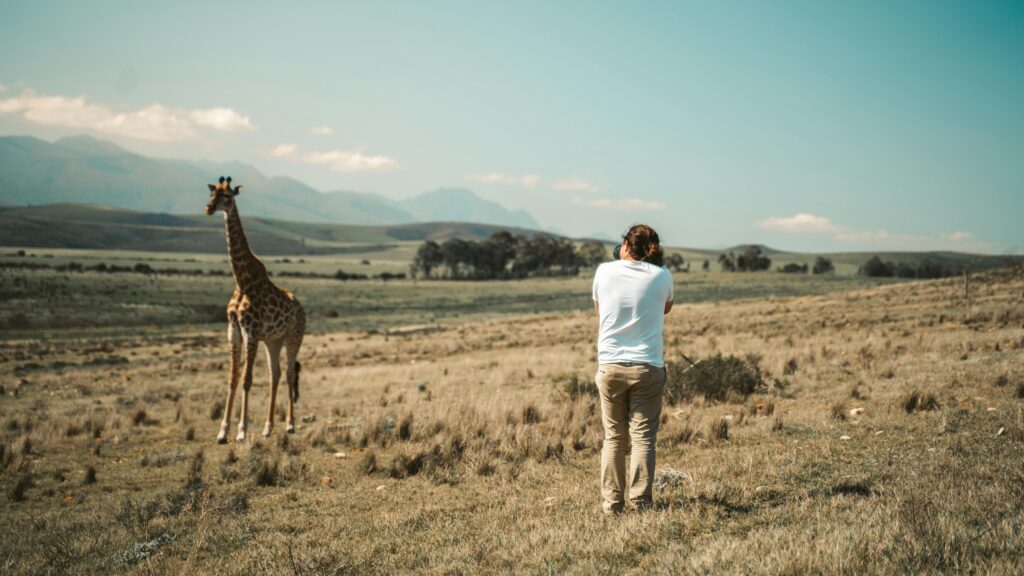
For Route 420, the TSA story matters because it points to a much wider movement.
Cannabis tourism is slowly moving from the margins into a structured travel culture. While these new regulations have opened the door a little, they’re not the overnight solution many have been hoping for, and they have some legal gaps. But progress is steadily moving along.
For years, cannabis travel was treated like something hidden in the glovebox of culture. People travelled for it, planned around it, searched for it, and quietly shared tips. Yet the mainstream travel world often acted as if it did not exist.
And it’s this travel segment we’re changing.
Around the world, cannabis is becoming part of bigger lifestyle conversations. Wellness tourism, private clubs, cannabis lounges, legal dispensaries, medical access programmes, and plant-based travel experiences are becoming harder to ignore.
The TSA update is not the finish line; however, we believe it is the smoke signal we’ve been waiting for.
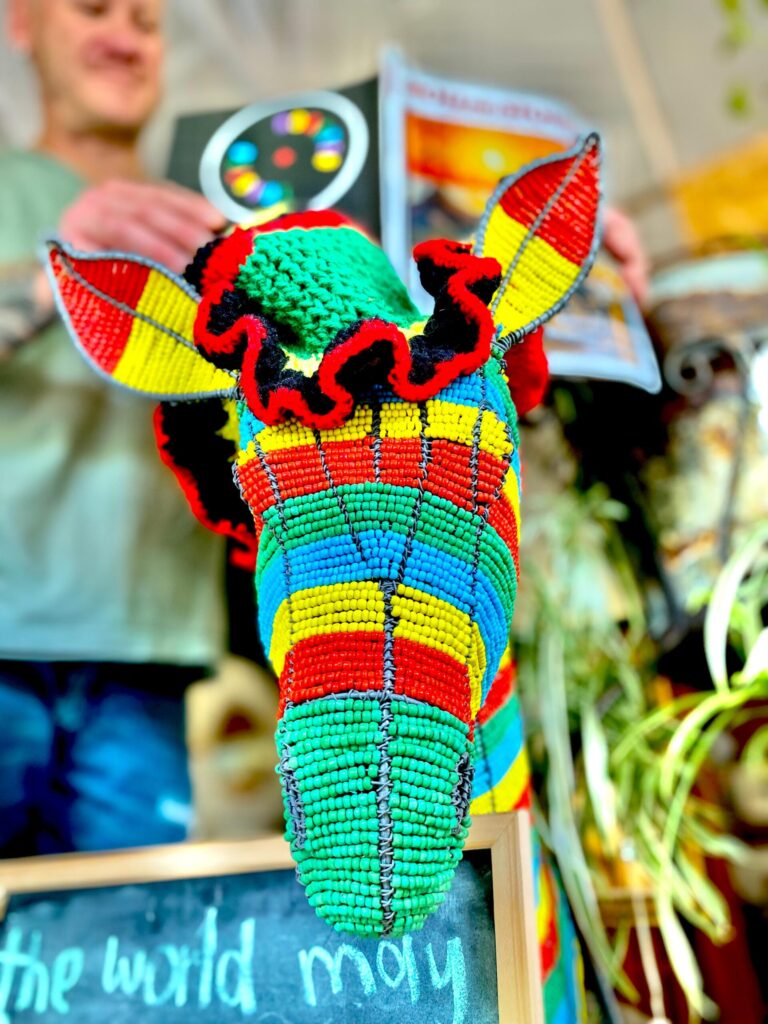
Route 420, powered by the Rolling Stoner, exists because cannabis tourism needs more than random pins on a map. It needs trust.
Travellers do not only want to know where cannabis can be found. They want to know where the experience feels safe, authentic, respectful, and worth the journey.
That is especially true in South Africa.
South Africa already has what global cannabis tourism needs:
But the country still needs a stronger structure, clearer storytelling, and trusted routes.
That is where Route 420 fits in.
It is not just a directory. We’re developing a cannabis travel ecosystem built around real places, real stories, and real people.

This is where we need to keep our feet on the tarmac.
The TSA update is a United States development. It does not automatically change South African airport policy or South African cannabis law.
In South Africa, the Cannabis for Private Purposes Act recognises adult private use and possession, while also regulating possession and prohibiting dealing in cannabis.
That means South African cannabis culture is moving forward, but it remains legally complex.
Anyone travelling with cannabis, especially across borders, should check the laws of their departure point, destination, airline, and any layover country.
International cannabis travel can still carry serious risks.
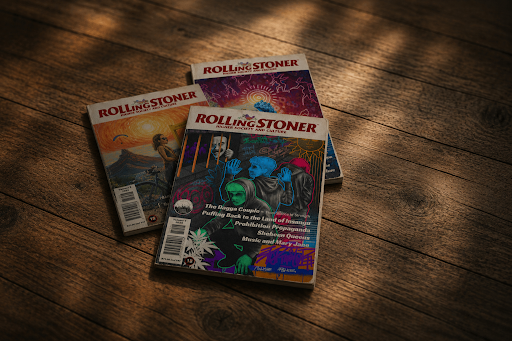
As cannabis becomes more visible in travel spaces, the role of the trusted cannabis community becomes more important.
Because legalisation without culture can feel empty.
Cannabis tourism without storytelling becomes just another transaction.
And travel without meaning becomes forgettable.
Rolling Stoner has always looked beyond the product. The real story has always been the people, places, rituals, landscapes, and strange little road moments that make cannabis culture feel alive.
Route 420 builds on that same idea. It is about mapping a more meaningful cannabis journey through South Africa, without the:
Something more useful. A trusted route.

The TSA update does not mean that travelling with cannabis is simple now.
It means the conversation is maturing. Medical cannabis is being treated with more seriousness in one of the world’s most security-focused travel environments. That matters.
However, travellers should still be careful. Rules differ between regions, airports, airlines, and countries. Documentation matters. Quantities matter. Local law matters. The difference between medical and recreational cannabis matters.
For cannabis tourism, though, the direction is clear.
The world is slowly learning how to travel with the plant.
And Route 420 is here to help South Africa tell its part of that story properly.