

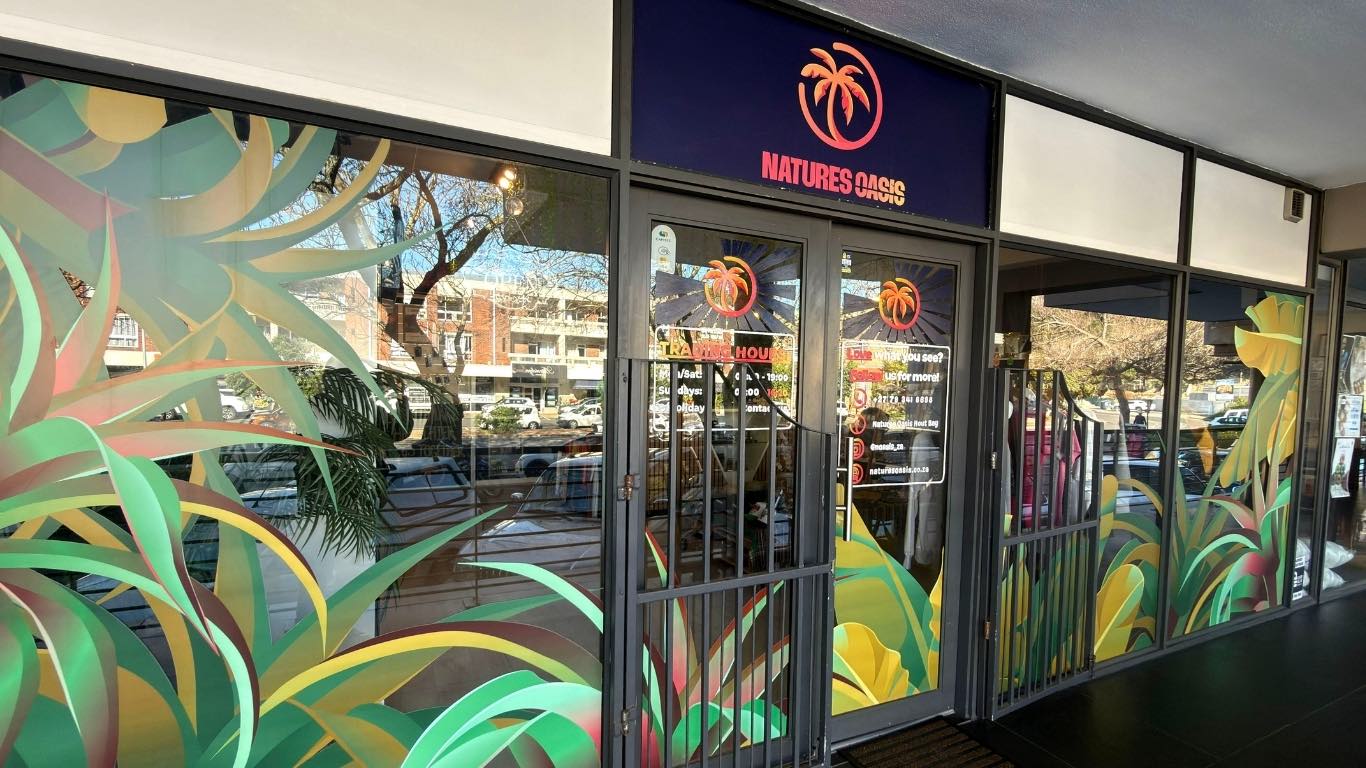
Rolling Stoner Sessions with Nature’s Oasis
The Hout Bay Wellness Shop Rethinking Cannabis Culture
Interviewer: Andrew Macfarlane
Transcriber and Writer: Marli Wentzel
South Africa’s cannabis landscape can sometimes feel crowded. Dare we say, repetitive and a little too eager to sell the same thing in a different package. However, a growing South African wellness retail group is reworking the mould: Nature’s Oasis.
Nature’s Oasis currently has four listed locations: stores in Hout Bay, Woodstock, and Randpark Ridge, as well as a Hout Bay Market presence.
Rolling Stoner sat down with Nick Badenhorst, one of the people behind Nature’s Oasis and the operator and co-owner of its Hout Bay store.
After years in the South African cannabis industry, working with different businesses, partners and models, Nick felt there was room for something more thoughtful. Something less flat or bland than purely transactional retail.
That idea became an oasis.
For Nick, this is not just a cannabis shop, or a place to grab a product and go.
Instead, these outlets have grown into natural wellness spaces where cannabis sits alongside root, plant and mushroom wellness products as one part of a much wider conversation.
“We wanted to be an oasis in a desert of average,” Nick explains.
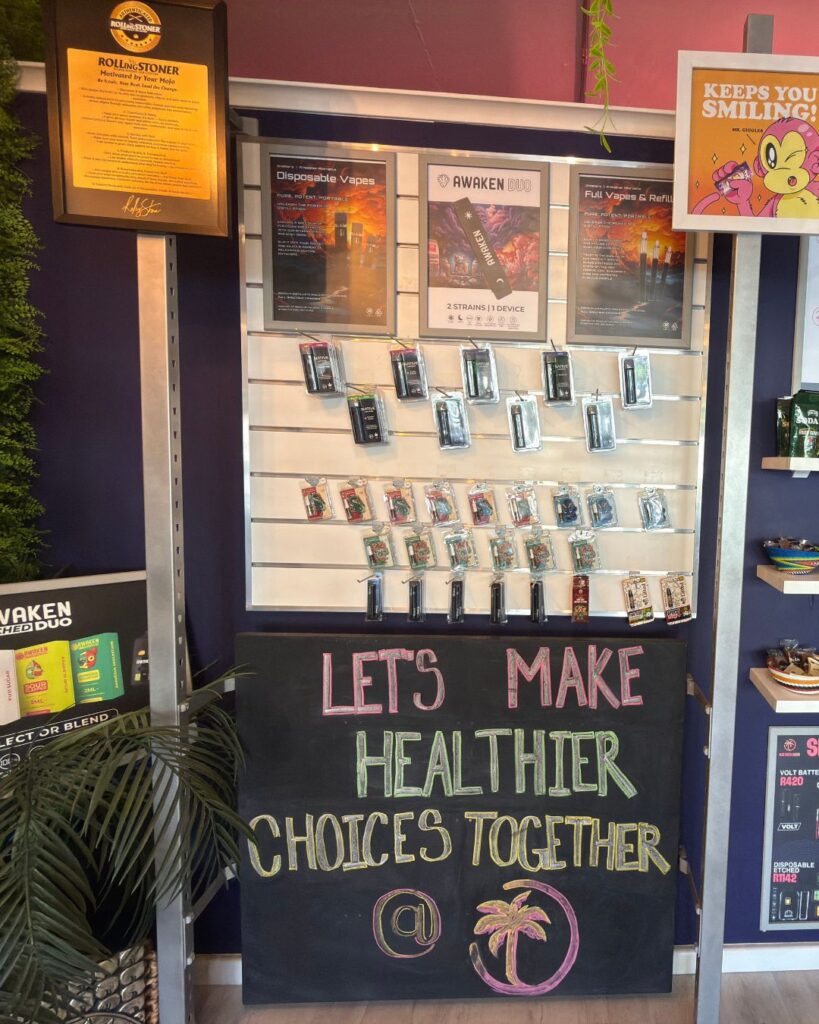
More Than a Cannabis Shop
According to Nick, the experience in some cannabis stores can feel familiar and highly transactional.
Customers may be greeted by a counter and a product list that includes edibles, pre-rolls or flower. The experience can sometimes be transactional, with limited guidance beyond the immediate product being sold.
Nick sees this as part of the problem for the budding natural wellness market.
For him, cannabis is not the whole natural health toolkit. It is one tool inside a larger natural wellness cupboard.
The store has become known not only for cannabis products, but also for wellness products and supplements such as lion’s mane, turkey tail, shilajit, collagen, moringa, turmeric and other wellness-focused products.
Some visitors arrive for cannabis. Others come in for mushrooms, herbs, supplements or product information. Some regulars have apparently shopped there for years before realising cannabis was also available.
That is the point.
The space does not lead with smoke and spectacle. It leads with conversation.
Nick describes the business as a natural wellness shop first. Cannabis is included, but it is not treated as the answer to every question. That approach feels especially important in a market where cannabis is often oversold as a cure-all, even when customers may need more careful guidance.
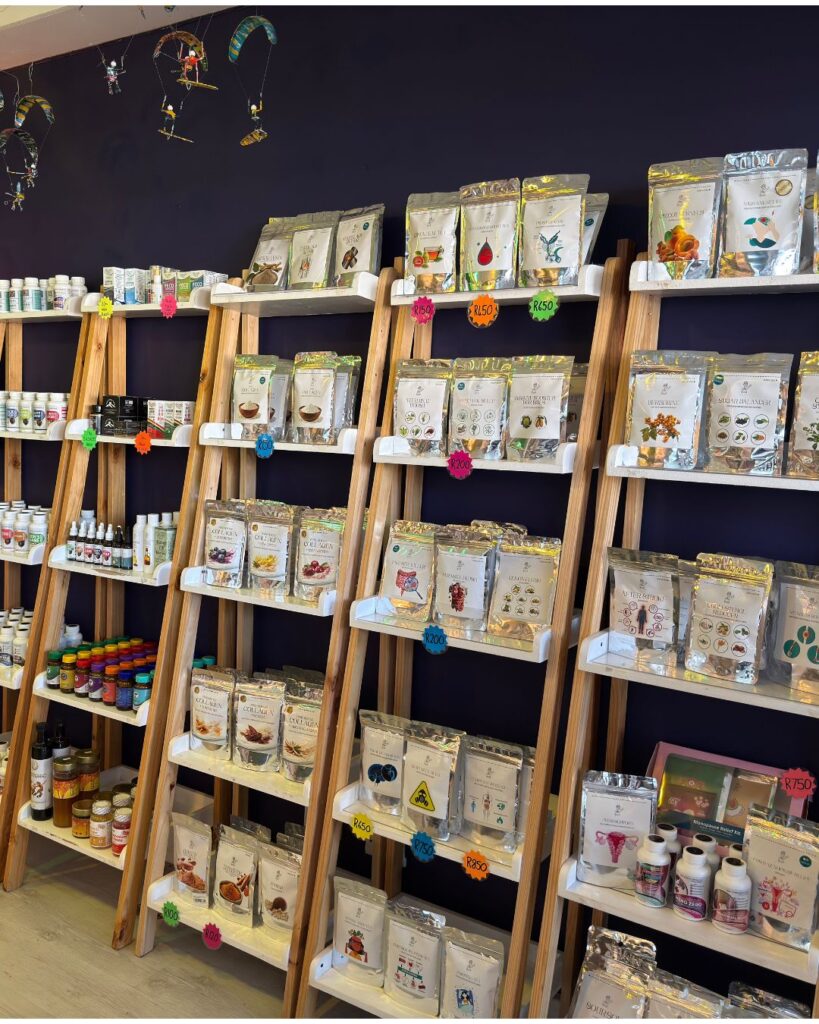
The Rise of Root, Plant and Mushroom Wellness
One of the biggest shifts Nick has noticed over the past few years is how much more curious South Africans have become about natural wellness.
Five or six years ago, he says, names like turkey tail, lion’s mane and snow fungus often drew blank stares or laughter. Today, customers arrive already asking about serving guidance, strength and specific products.
That change has been helped by social media, easier access to information and a wider interest in natural wellness products. People are researching before they buy. They are asking better questions and showing greater curiosity about the options available to them.
Nick believes this curiosity is part of a broader return to plant-based knowledge that was pushed aside for too long.
There is a clear tension here. Natural products still need care, context and responsible use. Not every mushroom, herb or supplement is suitable for every person. Some may interact with medication or be unsuitable for certain health conditions. That is why careful product information matters.
For Nick, proper guidance means asking appropriate questions, understanding what a customer is already using and avoiding lazy one-size-fits-all recommendations, while recognising when professional healthcare advice is needed.
Responsibility Before Retail
A strong thread running through the interview is responsibility.
Nick is direct about the difference between selling a product and taking the work seriously. Cannabis stores, in his view, need to think more like responsible retailers. They cannot control every decision customers make after leaving, but they can promote responsible adult use, communicate product information carefully and make it clear that purchasing a product does not remove the customer’s wider legal and social responsibilities.
The comparison with alcohol came up conversationally as a way of explaining the broader principle of responsible adult behaviour, rather than suggesting that cannabis retail operates under the same legal framework as alcohol retail in South Africa.
The underlying point is responsibility.
Purchasing a product does not remove a customer’s wider legal and social responsibilities. Responsible retail can help by communicating this clearly and encouraging informed adult choices.
This is where responsible operators can help shift public perception. They create environments where cannabis does not feel hidden, reckless or careless. They also help distinguish wellness-led spaces from purely transactional retail models that may offer little context beyond the sale.
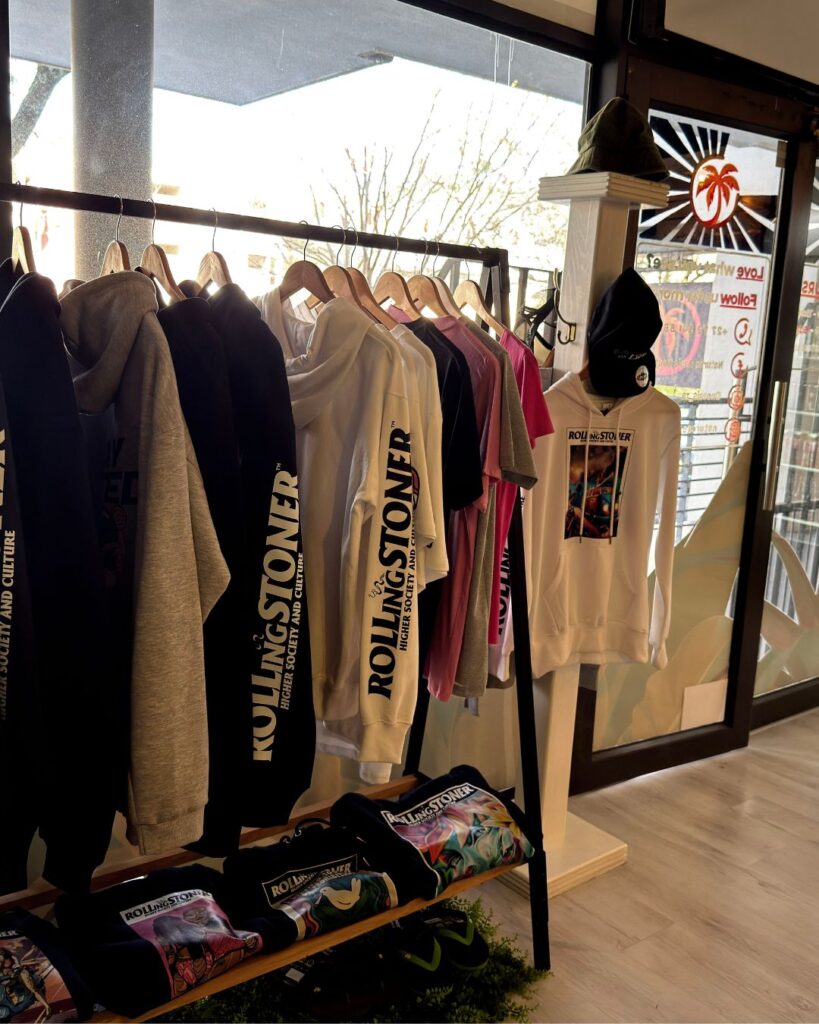
Building a Welcoming Wellness Space
For Route 420 and the wider cannabis tourism conversation, this distinction is important.
Not every cannabis-facing venue is suitable for every traveller. Some spaces are designed for a party crowd. Others are built around wellness, education, conversation and calm.
The Hout Bay store belongs firmly in the second category.
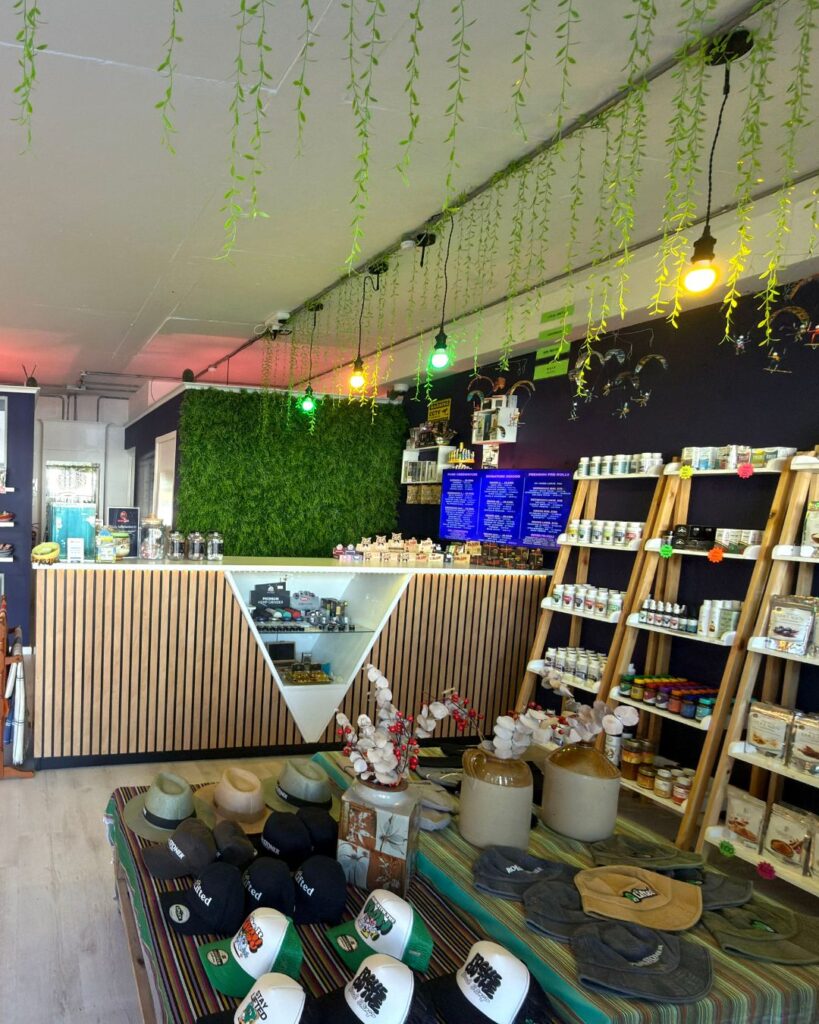
The store’s calm, wellness-led environment makes it approachable to a broad range of adult customers, including parents and people who may never previously have felt comfortable entering a cannabis-adjacent space.
That kind of environment can help break stigma in a practical way.
For cannabis tourism to grow responsibly in South Africa, venues need to be places where visitors feel safe, informed and respected. That includes tourists who may be curious about cannabis, but more interested in natural wellness, local products, scenery, food and culture than simply getting high.
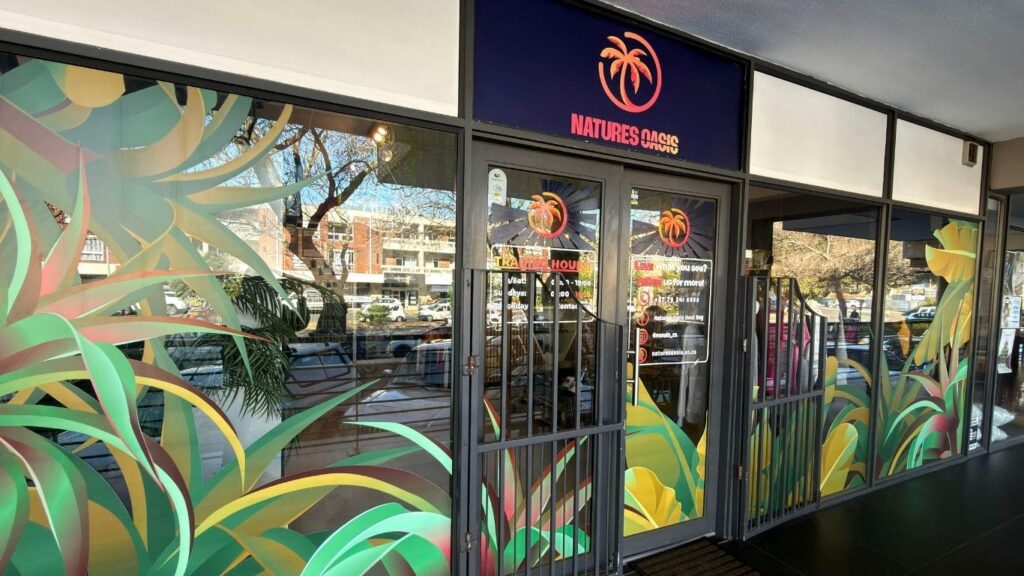
Natural Wellness and South African Tourism
South Africa may be quietly becoming one of the more interesting natural wellness destinations in the world.
Part of that comes from climate, biodiversity, and our country’s wide access to plant-based products, mushrooms, herbs and other wellness products that may be harder to find elsewhere.
Nick says international customers often arrive surprised by the range and affordability of products available here. Some buy product combinations for a week, a month or longer before heading home.
Cannabis wellness does not need to exist apart from tourism. It can sit alongside mountain drives, coastal towns, food routes, local farms, weekend escapes and wellness-led travel. For the right traveller, a stop at a place like this is not about novelty. It is about learning, stocking up, asking questions and discovering how South Africans are building their own version of natural wellness culture.
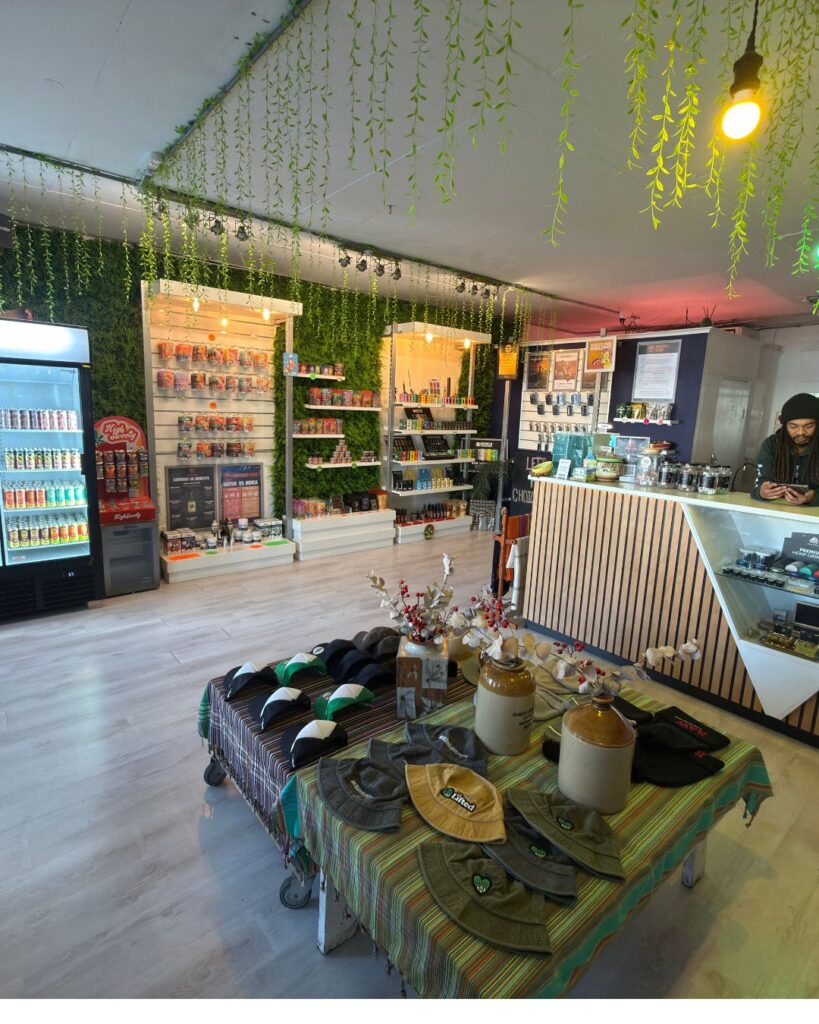
The Barman Effect
One of the more human details in the conversation is how often customers come in and simply talk.
Nick compares it to the old barman effect. Someone walks in, feels safe enough, and starts sharing what is really going on. Health worries. Stress. Depression. Family concerns. Pain. Awkward questions. Things they may not want to say elsewhere.
That trust is not small.
It also places a responsibility on the people behind the counter. If customers are opening up about real issues, casual or overconfident advice can be harmful. Selling something without context may move stock, but it does not necessarily help the person standing in front of you.
The team also recognises the limits of its role. Serious physical or mental-health concerns require referral to an appropriate healthcare professional rather than an attempt to diagnose or treat the customer in-store. Nature’s Oasis positions itself as a natural wellness retailer: it does not diagnose medical conditions, prescribe treatment or encourage customers to replace professional medical care or prescribed medication.
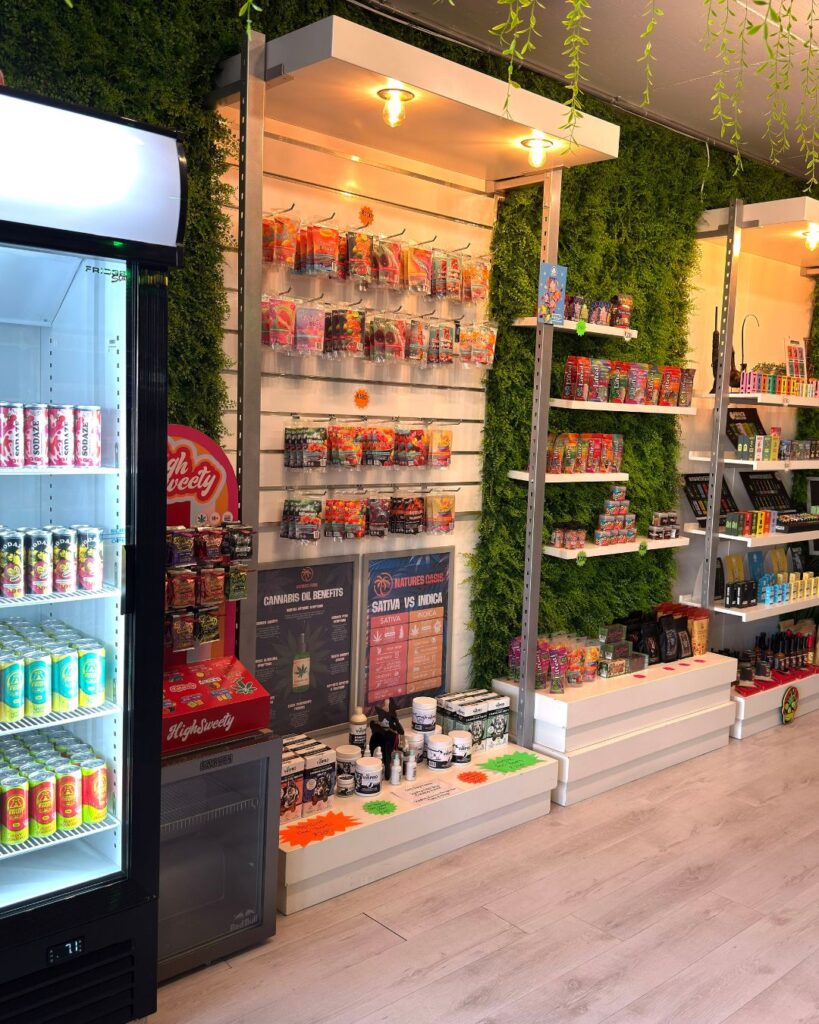
A Different Kind of Cannabis Culture
Nature’s Oasis is part of a growing shift in South African cannabis culture.
The industry is still complicated. The laws remain uneven. The grey areas have not disappeared. Yet some operators are choosing to build with care instead of chaos. They are creating spaces that feel more like wellness destinations than weed counters.
That does not make the road simple. It does make it more credible.
For Rolling Stoner and Route 420, these are the stories worth telling. Not just where cannabis is sold, but where culture is being shaped. Not just who has products on the shelf, but who is building trust with adult customers, travellers and the wider public.
In Hout Bay, this oasis is doing exactly that.