


Slowcations: Stay Longer, See More
Travel used to be measured in landmarks
By Warren Tyler
A successful holiday meant squeezing famous attractions, restaurant reservations, guided tours, and several cities into one tightly packed itinerary, even when the pace left you needing another break to recover from the first.
Now, many travellers want something slower.
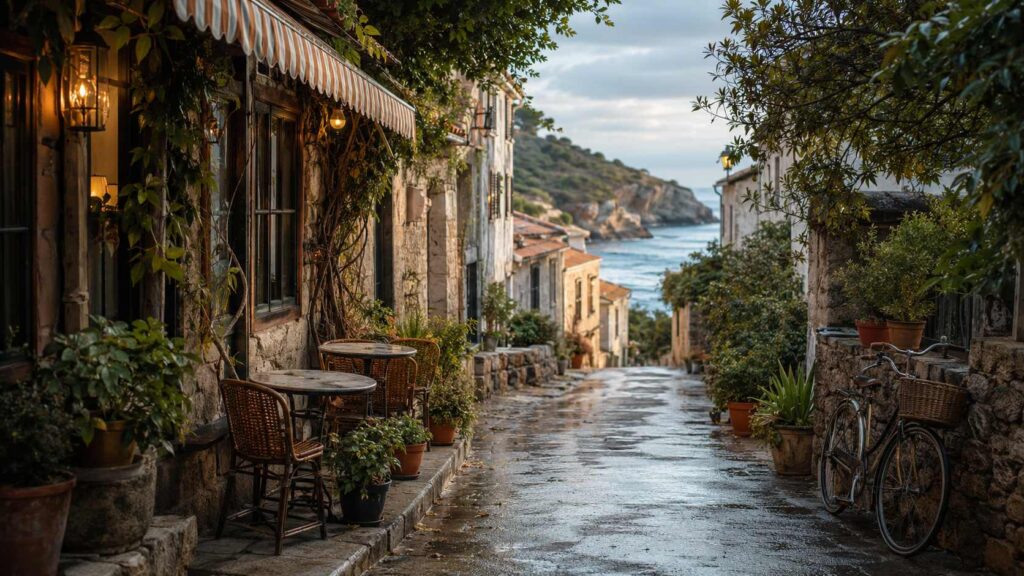
Slowcations replace the frantic bucket-list approach with longer stays, fewer destinations and more room for ordinary discovery. Rather than racing through a place, you settle into its rhythm, returning to the same café, learning how the transport works and leaving enough space for an afternoon that wasn’t planned three months ago.
The shift isn’t only about relaxation.
Slower travel can reduce the pressure created by constant movement, while longer stays may help spread tourism spending beyond major attractions. When visitors choose locally owned accommodation, community guides and regional food producers, travel can contribute more directly to the people who make a destination worth visiting.
That’s the real luxury: time.
What Makes a Slowcation Different?
A successful holiday meant squeezing famous attractions, restaurant reservations, guided tours, and several cities into one tightly packed itinerary, even when the pace left you needing another break to recover from the first.
Now, many travellers want something slower.
Slowcations replace the frantic bucket-list approach with longer stays, fewer destinations and more room for ordinary discovery. Rather than racing through a place, you settle into its rhythm, returning to the same café, learning how the transport works and leaving enough space for an afternoon that wasn’t planned three months ago.

Plan lightly.
A useful slow itinerary might include one main activity each day, followed by an open afternoon or evening. Build in an unplanned day after arrival, because delayed flights, unfamiliar surroundings and simple tiredness can quickly turn an ambitious schedule into a chore.
Leave gaps on purpose.
Those gaps create room for local recommendations, weather changes and the small experiences that rarely appear on travel platforms. You may spend longer at a market, discover a neighbourhood bakery or decide that sitting beside the water is more appealing than visiting another museum.
Nothing has been wasted.
How to Build a Slow Travel Itinerary
Begin with the reason for the trip.
Do you want rest, cultural immersion, food, nature or time with someone you rarely see? Once the purpose is clear, it becomes easier to remove activities that look impressive online but don’t support the experience you actually want.
Then consider distance.
Choose destinations that can be explored comfortably on foot, by bicycle or through public transport, although accessibility and personal safety should always come first. If you’re travelling between regions, spend several nights in each place instead of losing hours to daily packing, check-outs and transfers.
Stay slightly longer than feels necessary.
The first day is often spent arriving physically, while the mind catches up later. By the second or third morning, the streets begin to feel familiar, and you’re no longer checking a map at every corner.
That familiarity changes the experience.
UN Tourism has increasingly highlighted the connection between slower, immersive travel and local development, including culinary tourism that links visitors with rural producers, cultural traditions and community businesses. Its partnership with Slow Food specifically promotes experiences designed to benefit destinations rather than simply pass through them. UN Tourism explains the initiative here.
When the Holiday Is the Wellness Experience
Then there’s the glowcation.
Although the term is sometimes used for skincare-focused travel, it also fits a broader move towards holidays planned around rest, recovery and wellbeing. Instead of adding a massage to a sightseeing trip, the retreat becomes the main event.
Rest gets top billing.
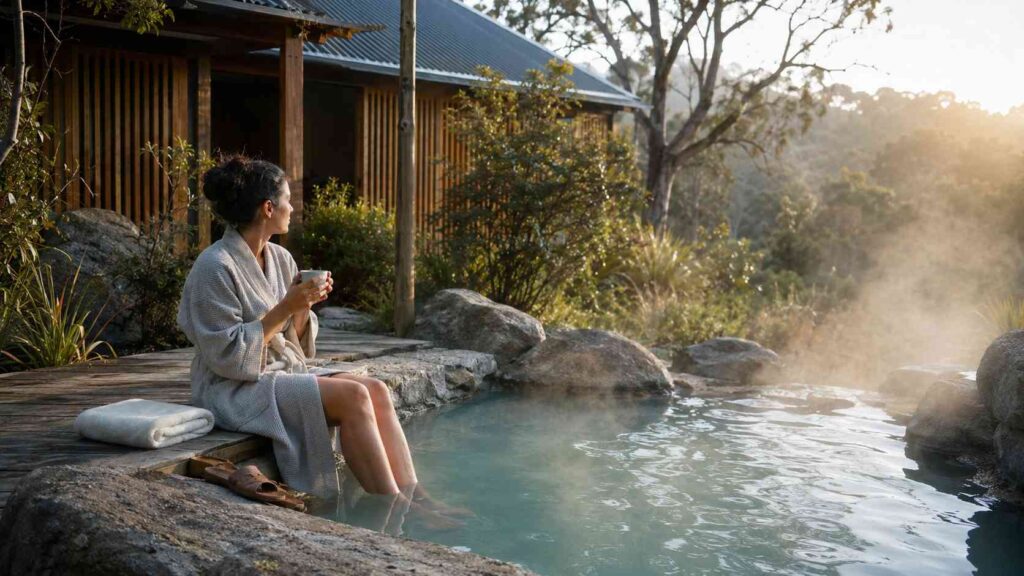
A retreat may help you rest, reflect or return home feeling refreshed, but it can’t permanently fix burnout, treat a medical condition or transform your life over a long weekend. Be cautious when venues make dramatic claims involving detoxification, hormone balancing, immunity or longevity without credible evidence.
Wellness still needs common sense.
If treatments are involved, check the provider’s qualifications, local regulations, hygiene standards and aftercare arrangements before booking. Travel insurance may exclude elective beauty or wellness procedures, so read the policy rather than assuming you’re covered.
The trend is growing quickly.
The Global Wellness Institute’s 2026 outlook points towards shorter regional retreats, restorative trips closer to home and destination-wide wellness experiences. Meanwhile, glowcations are becoming increasingly personalised, with travellers choosing trips around skincare and wellbeing rather than traditional sightseeing. Booking.com’s 2026 travel predictions reflect that shift.
Immersion Without Turning People into Attractions
Experiential travel should involve more than photographing local life.
A destination isn’t an aesthetic backdrop, and its residents aren’t supporting characters in someone else’s personal transformation. Genuine immersion requires curiosity, respect and an understanding that you’re entering a place where people work, raise families and continue with their lives after you leave.
Slow down socially, too.
Learn a few useful words if another language is spoken, ask permission before photographing people and follow local expectations around clothing, sacred spaces and behaviour. Observe before assuming that a cultural practice has been created for visitors.
Pay fairly.
Aggressive bargaining may save a small amount of money, but it can also reduce the income earned by artisans, drivers and independent traders. If a price seems unclear, ask politely or compare several local providers rather than treating every interaction as a competition.
Choose experiences led by the community.
Locally owned accommodation, resident guides, cooperatives and small restaurants are more likely to keep tourism income within the area. However, the word “local” isn’t an automatic guarantee of fair labour or sustainable practice. Look for businesses that clearly explain who owns the operation, who benefits and how staff are treated.
Ask simple questions.
Where does the money go? Is the experience run with community consent? Are wildlife, natural resources or cultural traditions being protected rather than exploited?
The answers matter.
Avoiding the Tourist-Trap Loop
Tourist attractions aren’t inherently bad.
Famous places are often famous for a reason, and avoiding them to appear more adventurous can become its own form of performance. The problem begins when the entire trip takes place inside an international booking bubble, with the same hotel groups, imported menus and generic activities available everywhere.
Mix the familiar with the local.
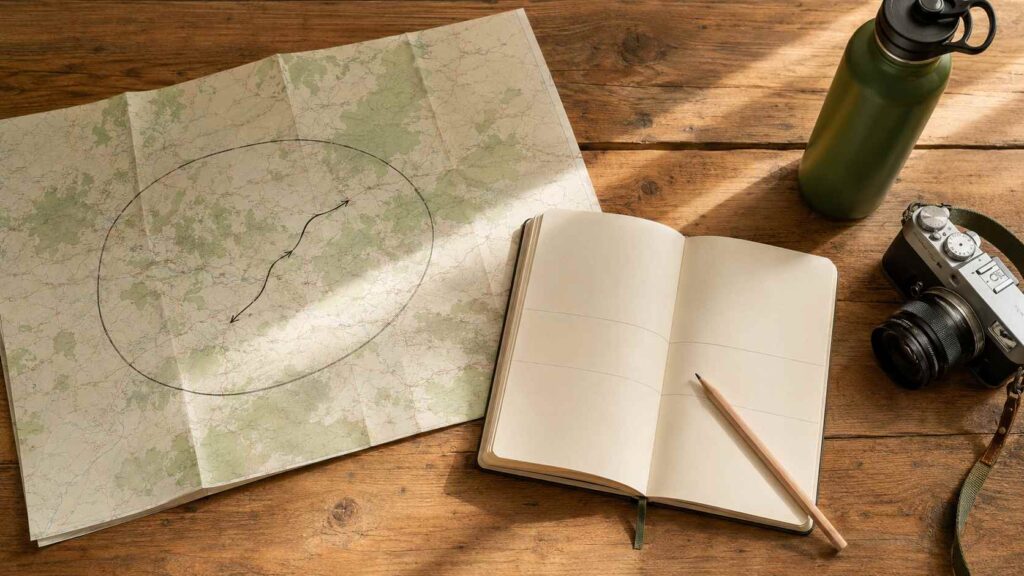
Visit the landmark, then spend time elsewhere. Eat one meal near the main attraction, but ask your host where residents actually go. Book through large platforms when necessary, while also checking tourism cooperatives, community websites and independent guides.
Travel outside peak periods if you can.
Shoulder-season trips can ease pressure on crowded destinations while helping businesses earn income beyond a short high season. They’re often calmer and more affordable, although weather, transport and opening times may be less predictable.
Stay flexible
Avoiding the Tourist-Trap Loop
Visit the landmark, then spend time elsewhere. Eat one meal near the main attraction, but ask your host where residents actually go. Book through large platforms when necessary, while also checking tourism cooperatives, community websites and independent guides.
Travel outside peak periods if you can.
Shoulder-season trips can ease pressure on crowded destinations while helping businesses earn income beyond a short high season. They’re often calmer and more affordable, although weather, transport and opening times may be less predictable.
Stay flexible
Blog Proudly Sponsored by Mars Growers Club