

South Africa Moves Closer to Legal Cannabis Framework as Draft Regulations Are Gazetted
By Katherine Pretorious
South Africa has taken another important step toward formally regulating cannabis for private adult use. The Department of Justice and Constitutional Development recently gazetted draft regulations under the Cannabis for Private Purposes Act (Act No. 7 of 2024), marking a key milestone in the country’s long-running cannabis reform process.
The South African Cannabis and Hemp Industry Development Association (SACHIDA) has welcomed the publication of these draft regulations, describing them as an essential step toward the full promulgation of the Act and the creation of a regulated cannabis industry in South Africa.

SACHIDA
A Step Toward Full Legalisation of Private Use
The Cannabis for Private Purposes Act was passed to formally decriminalise the private possession, cultivation, and use of cannabis by adults. However, for the law to be fully implemented, regulations are required to clarify how these provisions will work in practice.
According to SACHIDA, the newly gazetted draft regulations begin to establish the operational framework needed to bring the Act into force. These regulations outline several key areas, including:
- The maximum quantities of cannabis adults may possess for private use
- Limits on cultivation
- Transportation rules
- Expungement procedures for past cannabis-related offences
These regulatory provisions are required under Section 6(1) of the Act and form the practical foundation for implementing the law. SACHIDA – South African Cannabi…
Once the final regulations are issued, the Act can be formally promulgated — an event many in the cannabis community have been waiting for since the Constitutional Court first ruled against the criminalisation of private cannabis use in 2018.
Removing Cannabis from the Narcotics Schedule
One of the most significant implications of the Act’s implementation is that THC-containing cannabis would be removed from the Schedule 6 list of narcotics under the Drugs and Drug Trafficking Act.
For industry stakeholders, this change represents far more than a legal technicality. It could allow South Africa to move toward a regulated cannabis economy aligned with international standards, potentially unlocking opportunities in:
- cultivation and farming
- retail and private clubs
- cannabis tourism
- product development
- hemp-based industries
SACHIDA believes that once the legal framework is fully implemented, South Africa will be better positioned to develop a structured and compliant cannabis industry that benefits both the economy and consumers. SACHIDA – South African Cannabis…
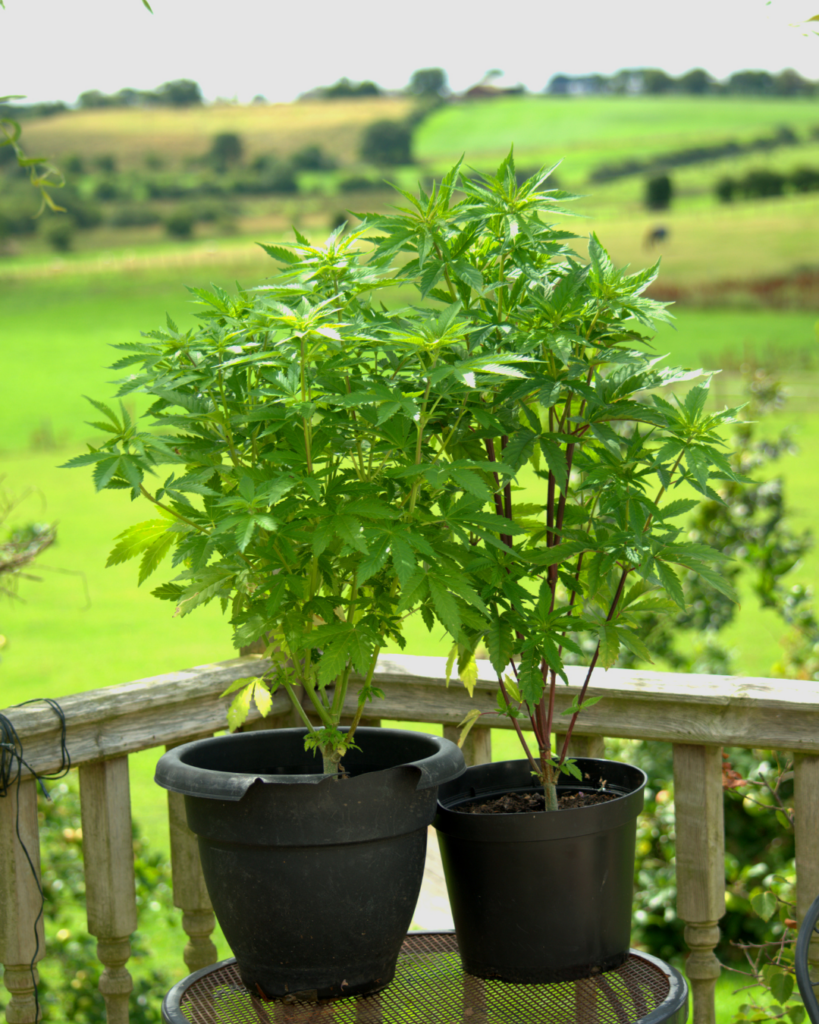
Draft Regulations Are Only the Beginning
Importantly, SACHIDA emphasises that the current draft regulations should not be viewed as a finished product.
Instead, they are part of an evolving regulatory framework that will likely be refined over time as the industry develops. This kind of iterative approach is common in emerging sectors, especially where governments are balancing public health, legal clarity, and economic development.
As the cannabis and hemp industries grow, regulations may be adjusted to ensure they remain effective, practical, and globally competitive.
Proposed Amendment for Legal Clarity
In its submission, SACHIDA has suggested one specific amendment to improve legal certainty within the regulations.
Regulation 5(3)(a) refers to the term “substance”, but the regulation currently does not provide a clear definition of what that term means.
To avoid confusion and inconsistent enforcement, SACHIDA recommends defining “substance” as:
“any active pharmaceutical ingredient.”
This clarification would help law enforcement and regulatory bodies better distinguish between permissible and impermissible cannabis products during transportation and possession checks.
Clear definitions are considered particularly important in emerging industries where regulatory interpretation can significantly affect compliance and enforcement.
Additional Areas That May Require Further Regulation
While the current draft regulations address some of the key legal requirements for implementing the Act, SACHIDA notes that a comprehensive regulatory framework will eventually need to address several additional issues.
These may include:
1. Weight Limits for Different Cannabis Products
The regulations will need to consider how possession limits apply to legacy growers, processed cannabis products, and ancillary goods.
2. Plant Definitions and Growing Cycles
Industry stakeholders have also suggested that the law should clearly define the nature of the cannabis plant and its growth cycle, ensuring that plant limits align with agricultural realities and industry norms.
3. Transport Regulations
Transport rules may need refinement to ensure they are constitutionally sound and practically enforceable, particularly when cannabis is moved between private spaces.
4. Industry Oversight
SACHIDA has also suggested establishing an interim regulatory body, including an industry ombud, to help oversee the sector’s development during its early stages.
Such structures could help ensure transparency, fair industry practices, and effective dispute resolution as the legal cannabis market takes shape.

Why This Matters for South Africa
For many advocates and industry participants, the publication of these draft regulations represents a long-awaited turning point.
The cannabis industry in South Africa already includes a diverse ecosystem of participants, from:
- traditional and indigenous knowledge (IKS) growers
- small-scale farmers
- commercial cultivators
- retailers and private clubs
- hemp producers
- cannabis tourism businesses
Legal certainty could allow these stakeholders to operate within a lawful, regulated framework, encouraging investment and responsible growth across the sector.
SACHIDA believes that once the Act is fully implemented, South Africa has the potential to develop a multi-layered cannabis and hemp industry capable of supporting economic development while protecting consumers.
The Road Ahead
The gazetting of draft regulations is not the final step, but it is an important one.
Public submissions and stakeholder engagement will help shape the final regulatory framework before the Act is formally promulgated. Once that process is complete, South Africa could finally see the full implementation of legislation allowing adults to possess, grow, and use cannabis privately within a clear legal structure.
For the cannabis community, growers, and industry stakeholders, the coming months will likely play a critical role in determining how South Africa’s legal cannabis landscape ultimately takes shape.