

Border Green: Cannabis Smuggling Routes Then and Now
By Quenton Haslett
For a long time, cannabis culture revolved around one central idea: getting high. Stronger products, faster effects, and bigger experiences were often seen as the goal. But that approach is starting to feel outdated for a growing number of people. In its place, a quieter shift is happening — one that focuses less on intoxication and more on how cannabis fits into everyday wellbeing.
This is where functional cannabis comes in. Instead of chasing intensity, wellness-minded users are choosing low-dose products designed to support calm, better sleep, and stress management. The aim isn’t escape. It’s balance.
What does “functional cannabis” actually mean?
Functional cannabis refers to products used with a specific purpose in mind, rather than for recreational purposes. These products are typically low in THC, clearly dosed, and designed to support things like relaxation, sleep, or emotional regulation.
The goal is subtlety. Users aren’t looking to feel altered or disconnected from their day. They want to feel a little calmer, a little more settled, or better prepared for rest.
For many people, functional cannabis sits alongside other wellness habits — exercise, meditation, good sleep routines — rather than replacing them.
Why is low-dose becoming the preferred choice?
One reason functional cannabis is gaining traction is simple: high doses don’t work well for everyone. While some people enjoy strong effects, others find that too much THC increases anxiety, disrupts sleep, or leaves them feeling foggy the next day.
Lower doses tend to be more predictable and easier to manage. Small amounts of THC can feel calming, while larger amounts may overwhelm the nervous system. Many people discover there’s a “sweet spot” where cannabis helps rather than hinders.
This is especially true for those using cannabis for stress or sleep. When the goal is rest, not stimulation, less often does more.
Calm without checking out
One of the biggest appeals of functional cannabis is its ability to support calm without shutting people down. Low-dose products are often used in the evening to unwind after work, ease mental tension, or help transition into rest.
Unlike higher doses, which can cause disorientation or lethargy, functional use allows people to stay present. They can still have conversations, prepare dinner, or enjoy quiet time without feeling disconnected.
This makes functional cannabis appealing to professionals, parents, and anyone who needs to remain mentally available while taking the edge off stress.
Sleep support, not sedation
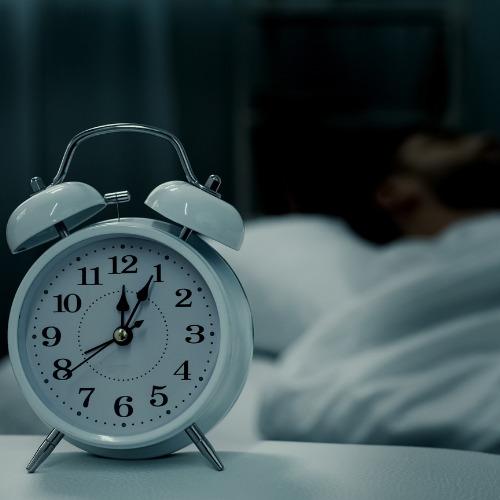
Sleep is one of the most common reasons people turn to functional cannabis. Modern life makes it difficult to wind down. Screens, stress, and irregular schedules often keep the body in a state of alertness long after bedtime.
Low-dose cannabis products designed for sleep aim to support relaxation rather than force sedation. For some users, a small amount helps quiet racing thoughts or ease physical tension before bed.
Importantly, functional use encourages routine rather than reliance. Cannabis becomes part of a wind-down ritual that may also include dimming lights, reading, or limiting screen time. When used thoughtfully, it supports sleep rather than replacing healthy habits.
Anxiety and control go hand in hand
Anxiety is another area where functional cannabis is finding its place. High doses of THC can increase anxious feelings in some people, especially those who are sensitive or new to cannabis. Low-dose products help reduce that risk.
For many users, functional cannabis offers a sense of emotional breathing room. It doesn’t erase stress, but it can soften its edges. This allows people to respond more calmly rather than feeling overwhelmed.
What matters here is control. Functional cannabis gives users choice over dose, timing, and context. That sense of agency is a big part of why it feels supportive rather than risky.

A move toward mindful use
Functional cannabis fits into a broader cultural shift toward mindful consumption. Just as people are paying more attention to what they eat and how they rest, they’re also becoming more intentional about substances they use.
This means:
- Starting with very low doses
- Using cannabis for specific reasons, not habit
- Taking breaks to reset tolerance
- Paying attention to how the body responds
Rather than being a default coping mechanism, cannabis becomes a tool used thoughtfully and occasionally.
Expanding beyond traditional cannabis culture
One of the most noticeable changes is who functional cannabis appeals to. Many people who never identified with traditional cannabis culture are now exploring low-dose options.
These include:
- Older adults seeking better sleep or pain relief
- Wellness-focused individuals who value moderation
- People cutting back on alcohol
- Those curious about cannabis but cautious
Functional products lower the barrier to entry. They feel less intimidating and more aligned with everyday life.

Product design reflects the shift
As demand for functional cannabis grows, product design is changing too. Clear dosing, simple ingredient lists, and straightforward messaging are becoming more important than flashy branding.
Well-designed functional products tend to emphasise:
- Transparency
- Consistency
- Responsible use
This helps build trust, especially among people using cannabis for wellness rather than recreation.
Tolerance, breaks, and long-term balance
Functional cannabis also encourages healthier relationships with tolerance. Regular high-dose use can reduce effectiveness over time. Low-dose use helps slow this process and keeps cannabis effective when it’s actually needed.
Many wellness-minded users also take intentional breaks. These pauses prevent dependence and reinforce the idea that cannabis is supportive, not essential.
Cannabis as one part of wellbeing
Perhaps the most important thing to understand about functional cannabis is that it’s not a cure-all. People who benefit most use it alongside other supportive practices.
Good sleep, movement, nutrition, and social connection still matter. Cannabis doesn’t replace these things — it complements them.
This balanced view is why functional cannabis resonates with wellness seekers. It fits into real life rather than dominating it.
Finally
Functional cannabis reflects a shift away from excess and toward intention. Instead of chasing intensity, more people are choosing subtle support for calm, sleep, and stress.
Low-dose cannabis isn’t about doing more. It’s about doing just enough to feel better without losing control.
For anyone curious, the best next step is simple: start low, stay aware, and treat cannabis as one small part of a broader approach to wellbeing.