

Border Green: Cannabis Smuggling Routes Then and Now
By Tersia Thompson
Fashion has always moved in cycles, but lately something different is happening. Instead of everyone chasing the same look, style is splitting into two clear paths. On one side, there’s quiet luxury—clean lines, neutral colours, quality fabrics, and pieces that don’t shout for attention. On the other, there’s statement style—bold prints, expressive silhouettes, vintage finds, and looks that clearly say, “This is me.”
At first glance, these approaches seem like opposites. But they’re actually connected by the same shift. Both are signs that people are moving away from trend-chasing and toward personal expression.
What defines a cannabis influencer today?
In the early days, cannabis influencers were often defined by bold personalities, shock value, or heavy consumption content. That approach still exists in some corners, but it’s no longer where most of the momentum is.
Today’s influential voices tend to focus on:
- Education over promotion
- Lifestyle integration rather than constant use
- Transparency about limits and boundaries
- Creativity, humour, or storytelling
Influence now comes less from how much cannabis someone consumes, and more from how thoughtfully they talk about it.
Micro-influencers are outperforming big accounts
One of the clearest trends this year is the rise of micro-influencers — creators with smaller but more engaged audiences.
Accounts with a few thousand to tens of thousands of followers are often outperforming larger pages when it comes to trust and interaction. Their audiences feel more personal, conversations happen in comments, and recommendations feel less like ads.
For cannabis brands operating under advertising restrictions, this kind of influence is especially valuable. It allows products and conversations to surface organically, without triggering platform enforcement or audience fatigue.
Education-led creators are gaining ground
Another major shift is toward education-first content. This doesn’t mean clinical lectures or dense science. It means clear, practical explanations delivered in accessible language.
Popular topics include:
- How different formats feel in real life
- What low-dose use actually looks like
- How to read labels and dosing information
- What cannabis can and can’t realistically do
These creators often position themselves as guides rather than experts. They share personal experiences alongside verified information and are careful not to make exaggerated claims.
This approach builds credibility — especially with newer or more cautious audiences.
Lifestyle creators are expanding the audience
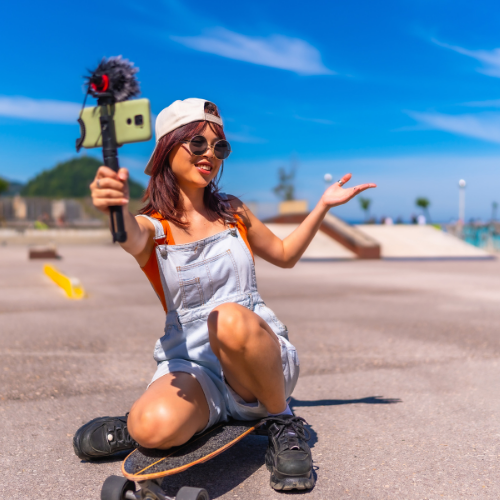
Some of the most influential cannabis voices today don’t brand themselves as “cannabis influencers” at all.
Instead, they’re lifestyle creators who happen to include cannabis as part of a broader picture. Think home life, food, fashion, travel, or wellness — with cannabis appearing occasionally, not constantly.
This integration helps normalise cannabis use without centring it. It also attracts audiences who might not follow cannabis-specific accounts but are curious in a low-pressure way.
For the influencer economy, this has been a game-changer.
Platform shifts are shaping who succeeds
Influence doesn’t look the same across platforms, and creators are adapting accordingly.
- Instagram still favours polished visuals and short-form education, but enforcement remains inconsistent.
- TikTok drives discovery, especially for humour and storytelling, though content often needs careful framing.
- YouTube supports longer conversations, reviews, and podcasts, making it popular for in-depth discussion.
- Newsletters and blogs are quietly gaining importance as creators look for platforms they actually control.
In 2026, many successful cannabis influencers don’t rely on just one platform. They spread risk and build resilience by diversifying where and how they show up.
Authenticity is no longer optional
Audiences are increasingly sensitive to performative content. Overly polished endorsements, vague claims, or obvious cash grabs tend to fall flat.
What’s working instead is honesty:
- Admitting when a product isn’t for you
- Talking about tolerance and breaks
- Being clear about sponsorships
- Setting boundaries around consumption
Creators who treat their audience like adults tend to keep them longer.
This shift has also pushed brands to rethink partnerships. Long-term collaborations are replacing one-off posts, and creators are being chosen for alignment rather than reach alone.
Advocacy and culture still matter — but differently
Advocacy hasn’t disappeared from cannabis influencing, but its tone has changed. Instead of loud slogans, many creators focus on everyday impacts of policy, access, and stigma.
They talk about:
- Who gets excluded from legal markets
- How laws affect ordinary users
- The gap between policy and reality
This quieter, more grounded advocacy resonates with audiences who are tired of extremes and looking for nuance.
Regional voices are becoming more visible
Another notable trend is the rise of region-specific influencers. Instead of a globalised cannabis culture, people are paying attention to the local context.
Creators who understand their country’s laws, cultural attitudes, and access issues are building loyal followings. Their content feels relevant rather than imported.
This is especially important in markets like South Africa, where cannabis culture is shaped by history, regulation, and inequality in unique ways.
Brands are learning to listen
The influencer economy isn’t just about creators anymore. Brands are changing too.
In 2026, innovative cannabis brands are:
- Letting creators speak in their own voice
- Supporting education rather than pushing sales
- Accepting that subtle exposure works better than hype
- Investing in trust over virality
The most effective campaigns often don’t look like campaigns at all.
The risks haven’t gone away
Despite growth, cannabis influencers still navigate real challenges. Platform bans, shadow restrictions, payment issues, and legal uncertainty remain part of the landscape.
This has made creators more strategic. Many are building email lists, selling merchandise, hosting events, or creating paid communities to reduce reliance on social platforms alone.
Influence is becoming a business, not just a following.
What “making waves” really means now
In 2026, making waves doesn’t mean being the loudest voice in the room. It means being consistent, credible, and connected to your audience.
The cannabis influencer economy is moving away from spectacle and toward substance. People want information they can trust, stories they can relate to, and voices that respect their intelligence.
Ultimately
The cannabis influencer economy has grown up. It’s more thoughtful, more diverse, and more intentional than ever before.
Those making waves this year aren’t chasing attention — they’re building trust. They’re showing how cannabis fits into real lives, not idealised ones.
For readers, the best next step is simple: follow voices that inform rather than impress, and notice how different the conversation feels when influence is rooted in honesty instead of hype.