

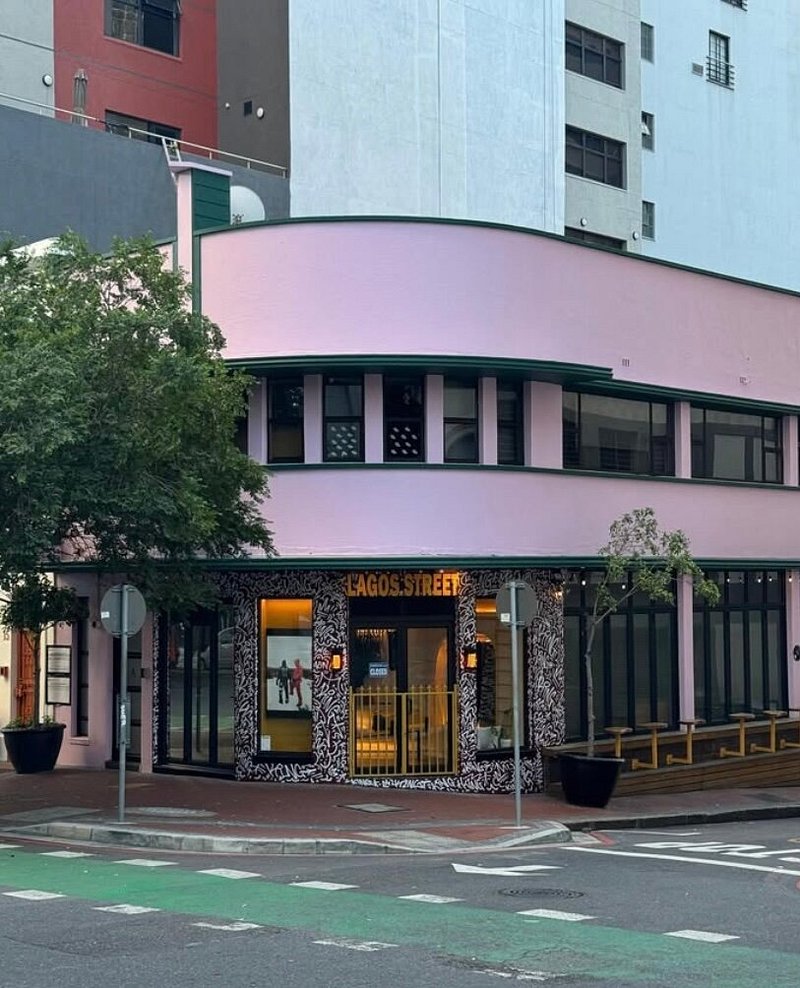
Rolling Stoner Sessions: Simon Leps
The Alibi Club founder discusses Nirvana, premium cannabis hospitality and the growing Route 420 network.
Interviewer and writer: Andrew Macfarlane
Welcome to the first-ever Rolling Stoner Sessions, where we speak with South Africa’s most influential cannabis thought leaders.
For our first session, we spoke to Simon Leps, founder of the Alibi and Nirvana, two independent luxury-lifestyle cannabis brands helping to shape the future of private cannabis culture in Cape Town.
In this Rolling Stoner Sessions interview, Leps speaks about the development of the Alibi and Nirvana, the exciting potential of Route 420, and the growing cannabis travel lifestyle taking shape across South Africa.
So, where did the idea of starting a luxury cannabis brand come from?
How The Alibi And Nirvana First Came To Life
South Africa’s modern cannabis ventures trace back to the 2018 Prince judgment, which decriminalised private cannabis use, possession and cultivation by adults for personal use.
In the months that followed, Leps and his friends watched as new entrepreneurs entered the cannabis space. However, while the industry was opening up, nothing quite matched what they wanted from a premium private cannabis lounge.
“In the early days, we just wanted a place to enjoy good herb and food, but there was nothing at the time that came close to what we were looking for. After all, professionals who are travelling can’t light up in a hotel or restaurant. They need a location where they can have some privacy,” reminisces Leps.

That simple gap became the beginning of something much bigger.
After reviewing several locations with like-minded associates, Leps took the first step toward establishing Alibi Café in October 2019. The idea was not only to create a place where members could consume cannabis privately. It was to create a lifestyle space that felt refined, social, comfortable and properly considered.
In other words, Alibi Café was never meant to feel like a backroom.
It was built around hospitality, atmosphere and privacy.
Changing Public Perceptions Around Cannabis Locally And Internationally
In the years that followed, Alibi Club became one of Cape Town’s top lifestyle destinations, offering members access to a space designed around refinement, comfort and community.
Since its inception, the club has continued to challenge old ideas about what a cannabis space can look and feel like.
At the start of South Africa’s cannabis commerce rush, many clubs based their interior concepts on the traditional aesthetic of Amsterdam coffeeshops. There was a familiar visual language: rustic finishes, counterculture references, dimly lit corners, and a sense of underground charm.
Leps and his team saw things differently.

They understood that South Africa’s emerging cannabis market needed something more polished. It needed spaces that could speak to professionals, travellers, creatives, entrepreneurs and curious newcomers without leaning too heavily on outdated cannabis stereotypes.
“Over the years, many of our team, colleagues, and industry players have taken inspiration from our club’s design. It’s incredibly flattering to be influencing the future of cannabis tourism and lifestyle sectors,” says Leps.
That influence matters because public perception does not change through law alone. It changes through experience.
When someone walks into a clean, well-run, hospitality-led cannabis club, the conversation shifts. Cannabis becomes less about stigma and more about culture, privacy, design, service and responsible enjoyment.
Cape Town In The Global Cannabis Lifestyle Conversation
When compared to other cannabis lifestyle markets, Alibi Café has helped raise the standard of South Africa’s private cannabis club experience and placed Cape Town more firmly in the global cannabis lifestyle conversation.
Amsterdam remains the historic home of cannabis lifestyle tourism. Its coffee shops still carry a rustic charm, offering tourists and locals access to a culture deeply rooted in the city’s identity.
Barcelona has taken a different route, with its private cannabis club model becoming a major part of the city’s underground social culture. California, meanwhile, is moving further into formal cannabis hospitality.
Since January 2025, California’s AB 1775 has allowed approved cannabis lounges to serve non-cannabis food and non-alcoholic drinks alongside on-site consumption, provided local authorities permit it.
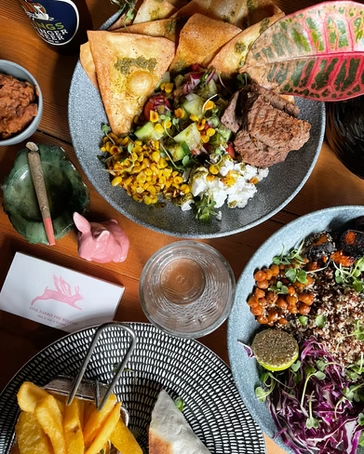
In a more regulated environment, this has hampered Californians’ access to the lifestyle market. Cape Town does not yet have that level of certainty. South Africa’s cannabis industry remains caught between real consumer demand, private use rights and unclear commercial rules. However, that has not stopped entrepreneurs from building spaces that already feel internationally relevant.
If anything, the uncertainty has made the South African cannabis lifestyle scene more inventive. Private clubs such as Alibi and Nirvana are not simply copying Amsterdam, Barcelona or California. They are helping to shape the entire cannabis hospitality industry, one that blends privacy, design, tourism, food culture, nightlife, and local entrepreneurial energy.

Cannabis Tourism Is Already Here
When Leps was asked about the arrival of the cannabis tourism sector in South Africa, his response was direct and clear.
According to Leps, Cape Town’s private cannabis clubs are already being discussed and reviewed on travel platforms such as TripAdvisor. That means tourists are not waiting for a formal national cannabis tourism strategy. They are already searching, planning and building cannabis experiences into their trips.
For many visitors, the question is not only where they can find cannabis. It is where they can enjoy it safely, privately and respectfully.
That is where private clubs become important.
Travellers staying in hotels, guesthouses or luxury accommodation often cannot consume cannabis in their rooms or public spaces.
They need trusted destinations where the experience is controlled, discreet and designed for adults who want to enjoy cannabis without creating problems for themselves, their hosts or the people around them.
Leps says this is already happening in Cape Town.
“We’re already working with a number of 5-star hotels in the area, who want to ensure their guests have the best Cape Town cannabis experience,” says Leps.
That comment reveals something important about the direction of the market.
Cannabis tourism is no longer only about cannabis consumers finding cannabis products.
It is becoming part of a wider travel lifestyle that includes accommodation, hospitality, local recommendations, curated experiences and trusted venues.
Where Route 420 Fits In
This is where Route 420 becomes more than a catchy name.
For travellers, Route 420 offers a trusted cannabis travel network. It can help connect visitors with private clubs, lifestyle venues, accommodation partners, local attractions and 420-friendly experiences that understand the needs of cannabis consumers.
For club owners, Route 420 creates a stronger bridge between cannabis culture and mainstream tourism.
That bridge is needed.
South Africa already has the natural ingredients for a world-class cannabis travel lifestyle. It has scenery, wine regions, food culture, road trips, wildlife, beaches, cities, music, nightlife and a deep tradition of hospitality.
What it still needs is clarity, confidence and coordination.
Platforms like Route 420 can help organise the experience so that tourists are not left guessing where to go, what is acceptable, and which venues are trusted.
For Leps, that opportunity is already visible on the ground. Visitors are asking questions. Hotels are making referrals. Private clubs are receiving tourists. The culture is moving.
Now the wider industry needs to catch up.
The Next Step For South African Cannabis Tourism
The next five years could define whether South Africa becomes one of the world’s most exciting cannabis travel destinations or remains stuck in a legal fog.
The real issue is whether legislation can catch up with what responsible operators are already building.
Across the country, private clubs, small cannabis businesses and lifestyle venues are finding ways to serve a growing market.
However, without clear rules, the sector remains limited. Operators need certainty. Tourists need guidance. Hospitality partners need confidence. The police and regulators need a framework that reflects reality.
South Africa’s cannabis entrepreneurs have already shown that they are forward-thinking, creative and willing to build something new.
Now the country has a chance to turn that energy into a serious tourism opportunity.